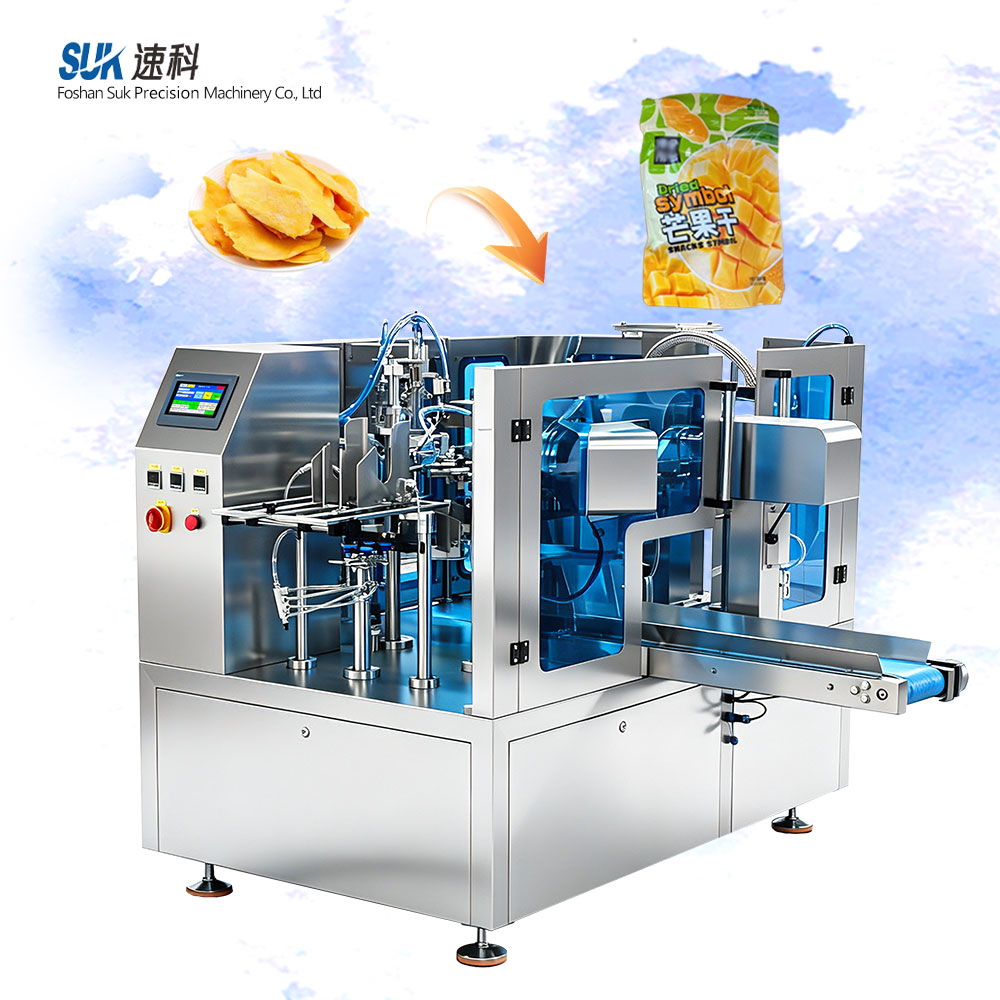
The Challenge of Disorderly Product Packing in Modern Industry
In the rapidly evolving landscape of modern manufacturing, the demand for high-speed, accurate, and efficient packaging solutions has never been greater. One of the most significant challenges faced by production facilities across various industries—from food and beverage to pharmaceuticals and consumer goods—is the handling of disorderly or randomly oriented products. This is where automatic cartoning lines equipped with advanced sorting and counting capabilities become indispensable. In this comprehensive guide, we will explore how these innovative systems solve the complexities of disorderly product packing and why they are the future of automated packaging.
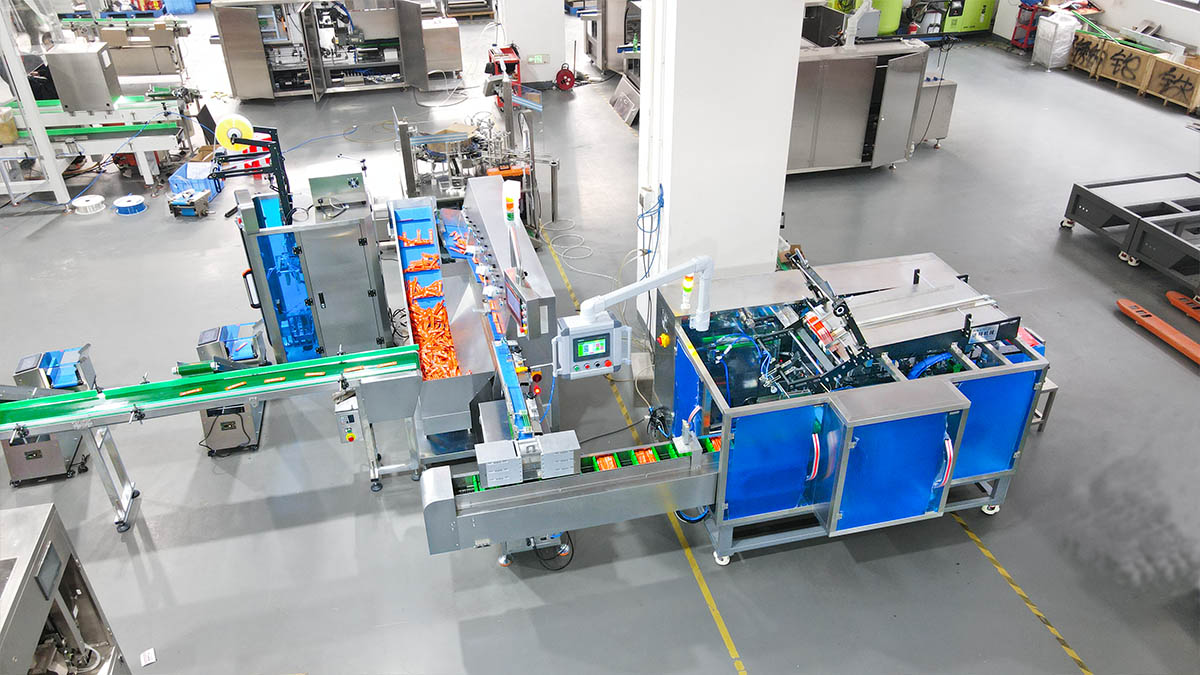
Disorderly product packing refers to the stage in a production line where items are discharged from a primary process—such as an oven, a chiller, or a molding machine—in a random, unaligned fashion. Manually sorting, orienting, and counting these items for placement into cartons is not only labor-intensive but also prone to human error, inconsistency, and hygiene risks. For products like biscuits, candy, hardware components, or even medical disposables, the ability to transition from a chaotic stream to a neatly packed box is critical for maintaining production throughput.
In many traditional factories, this "gap" between primary processing and secondary packaging is filled by dozens of workers. However, this model is unsustainable due to rising labor costs, high turnover rates, and the inherent variability of human performance. An automatic cartoning line provides a stable, predictable, and scalable alternative that operates 24/7 with minimal supervision.
How Modern Automatic Cartoning Lines Work: A Deep Dive
Modern automatic cartoning lines integrate several key technologies to handle disordered items seamlessly:
1. Advanced Vibratory Feeding and Alignment Systems
The process often starts with vibratory bowls or linear feeders that gently agitate the products. Through specific track designs and vibrations, items are gradually oriented and moved into single files or specific lanes. This mechanical alignment is the first step in bringing order to the chaos. These systems are often customized to the specific weight and friction coefficient of the product to ensure smooth flow without damage.
2. Vision Systems and Robotic Pick-and-Place Technology
For more complex or delicate items, high-resolution vision systems (cameras) identify the position and orientation of each product on a moving conveyor belt. Intelligent software then calculates the optimal path for delta robots or multi-axis robotic arms to "pick" the item and "place" it accurately into the carton or a counting bucket. This technology allows automatic cartoning lines to handle products of varying shapes and sizes with unmatched precision. Delta robots, in particular, are favored for their high speed and agility in light-duty picking tasks.
3. High-Speed Counting Modules and Sensor Arrays
Accuracy is paramount in packaging. Whether you need 12, 24, or 50 items per box, integrated counting sensors (infrared, laser, or optical) ensure that every carton contains the exact quantity specified. If a count is missed, the system can automatically reject the under-filled carton without stopping the line. This level of verification is essential for maintaining customer trust and regulatory compliance, especially in the pharmaceutical sector.
Industry Applications: Where Automatic Cartoning Lines Shine
The versatility of automatic cartoning lines makes them suitable for a wide range of sectors:
- Food & Bakery: From individually wrapped biscuits to loose chocolates, these lines handle high volumes while maintaining food safety standards.
- Pharmaceuticals: Precise counting and gentle handling of blister packs, vials, or sachets are critical in this highly regulated industry.
- Hardware & Electronics: Small, heavy, or oddly shaped components are sorted and boxed at speeds unattainable by manual labor.
- Personal Care: Mask, gloves, and cosmetic items are neatly packed into attractive retail cartons.
The Economic Impact: Cost-Benefit Analysis
While the initial investment in an automatic cartoning line can be significant, the long-term ROI is compelling. By reducing labor costs, decreasing product waste (due to breakage or miscounting), and increasing overall production capacity (OEE), most facilities see a payback period of 12 to 24 months. Furthermore, the ability to scale production up or down without hiring or firing staff provides a significant strategic advantage in fluctuating markets.
Maintenance and Longevity of Automated Systems
To ensure the longevity of an automatic cartoning line, a robust preventive maintenance schedule is necessary. This includes regular cleaning of sensors, lubrication of robotic joints, and software updates. Most modern systems from SUK come with remote diagnostic capabilities, allowing our engineers to troubleshoot issues via the cloud, significantly reducing downtime.
Integration with Industry 4.0
The latest generation of automatic cartoning lines is fully compatible with Industry 4.0 standards. This means they can communicate with upstream and downstream equipment, share real-time production data with ERP systems, and utilize machine learning to optimize their own performance over time. This connectivity ensures that the packaging line is a smart, integrated part of the entire manufacturing ecosystem.
Choosing the Right Partner for Your Packaging Needs
When looking to optimize your production line, it is essential to work with an experienced manufacturer. SUK Precision Machinery specializes in providing custom-engineered automatic cartoning lines tailored to specific product characteristics. For example, our Automatic Disordered Sorting and Counting Cartoning Line is specifically designed to handle random product flows with high efficiency and reliability. We don't just sell machines; we provide comprehensive packaging solutions that include layout design, installation, and after-sales support.
Conclusion: The Future is Automated
The integration of automatic cartoning lines is no longer a luxury but a necessity for manufacturers aiming to stay competitive in a global market. By solving the bottlenecks associated with disorderly product packing, these systems provide a clear ROI through increased efficiency, reduced waste, and superior product quality. As technology continues to advance, we can expect even greater levels of intelligence and flexibility from these essential machines. Investing in automation today is the best way to secure your production capacity for tomorrow.
For more information on how we can help automate your packaging process, contact SUK today or explore our range of cartoning machines and integrated production lines.
For more information on the history of industrial automation, you can visit the Automation Wikipedia page.