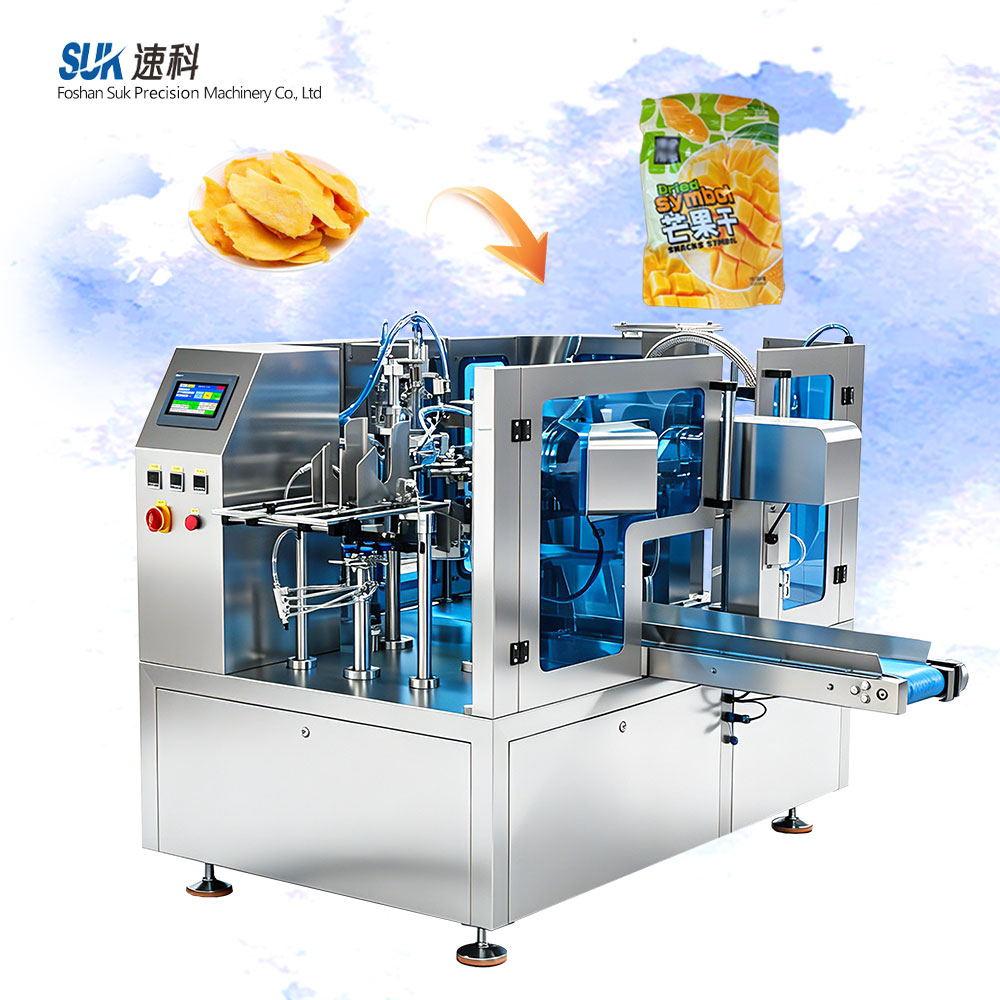
How to Test a Powder Stick Pack and Cartoning Line

If your food factory packs protein powder, milk powder, goat milk powder or instant coffee into individual sticks, the retail carton should be part of the packaging brief from day one. The powder packer can make good sticks while the cartoner still struggles with packs that overlap, arrive the wrong way, or fit the carton only when pushed in by hand. A factory trial should follow the packs all the way through to finished cartons.
1. Define what the opened carton should look like
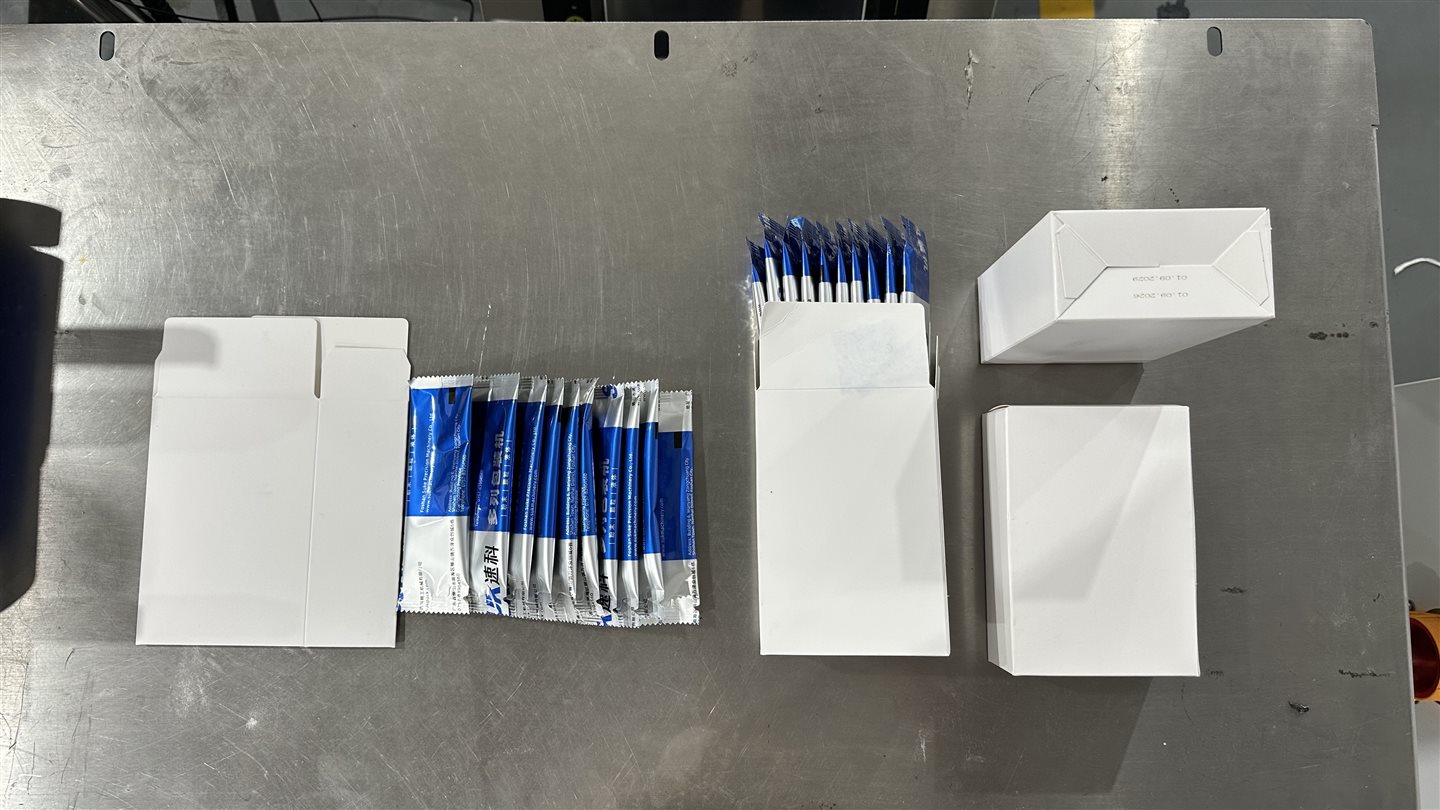
Send an empty carton, a packed sample or a simple drawing showing the number of sticks, their direction and the stack pattern. If customers should see the printed face or tear end first, include that detail in the trial brief. Use filled stick samples to check the internal fit: the real pack thickness, sealed ends and variation between packs matter more than the nominal width of the film.
2. Watch the handoff between the packer and the cartoner
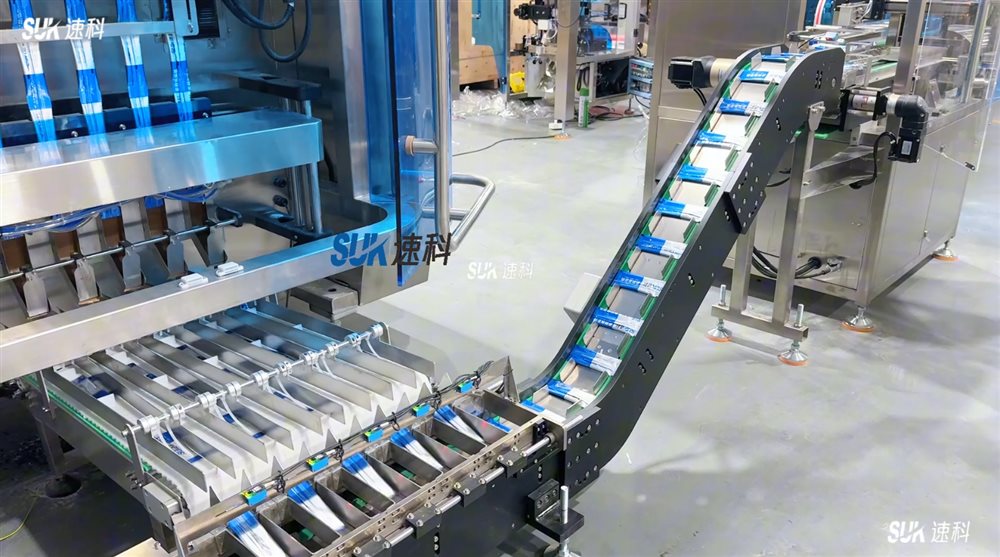
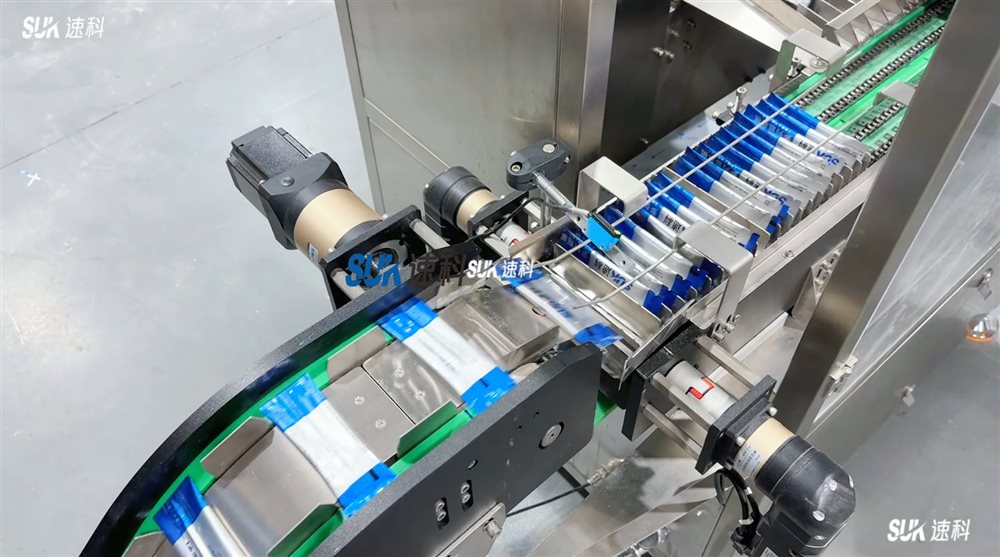
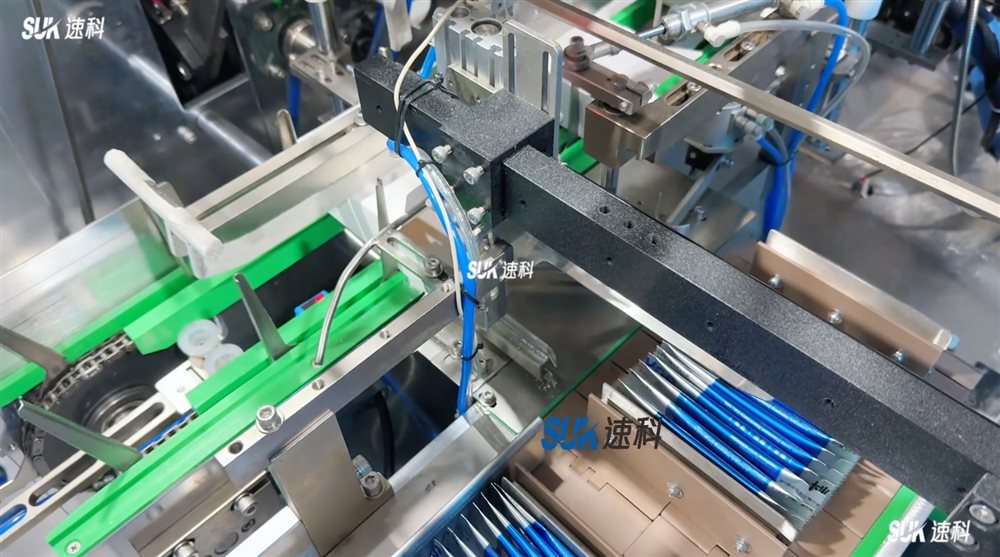
The SUK demonstration shows finished sticks leaving parallel lanes, moving along a guided conveyor and entering the counting and grouping section before carton loading. During your own trial, watch how the line handles overlapping or rotated packs and what happens when the carton feed pauses. Ask which conditions the proposed line detects, how an incomplete group is handled, and how operators clear and restart the line.
What to watch: Check orientation at transfer, group count at the counter, then confirm the complete group enters the carton cleanly.
3. Test with the powder and film you will actually run
Different powders can change both filling and downstream handling. A light protein blend or milk powder can occupy a different volume at the same fill weight as a coffee premix. Note how the formula flows, whether it leaves dust near the seals, and whether the sealed pack changes shape as it settles. For milk and goat milk powders, give SUK your cleaning and allergen changeover requirements before finalising contact parts and access for cleaning.
4. Measure accepted cartons per minute
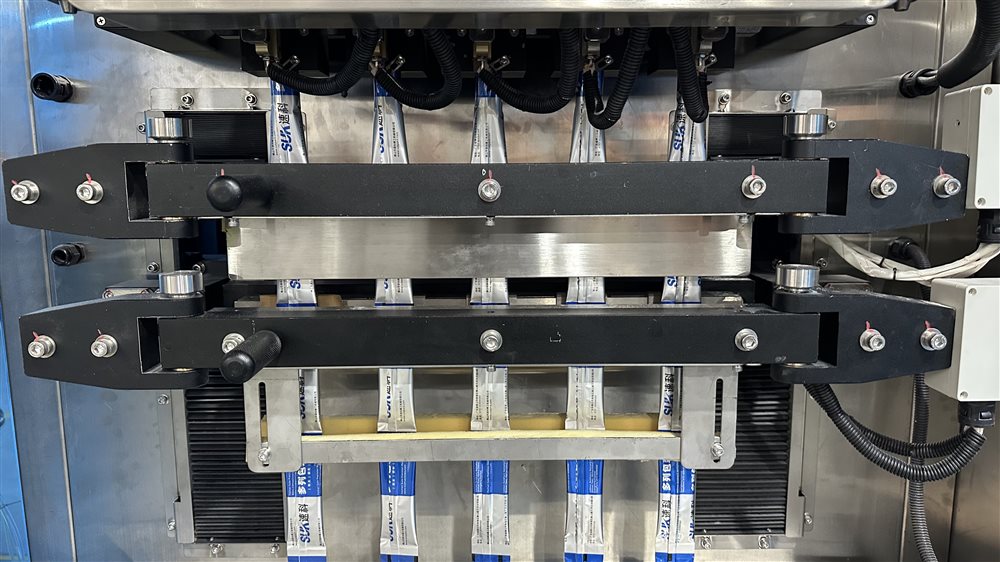
Set a target at the end of the line and judge output over an agreed test period. For planning, a target of 24 finished cartons per minute with 12 sticks per carton requires at least 288 accepted sticks per minute at the cartoner. This is an example calculation. Check whether the selected line can maintain the target through normal carton replenishment, brief stops and restarts. A buffer can absorb short interruptions. Sustained output still depends on matching both machines.
5. Agree on what passes before the test starts
- Stick packs: Check net fill against your tolerance and examine the seals for powder, damage or leaks using your agreed method.
- Carton contents: Open samples at agreed intervals and check the count, direction and stack pattern. Look for pinched or bent stick ends.
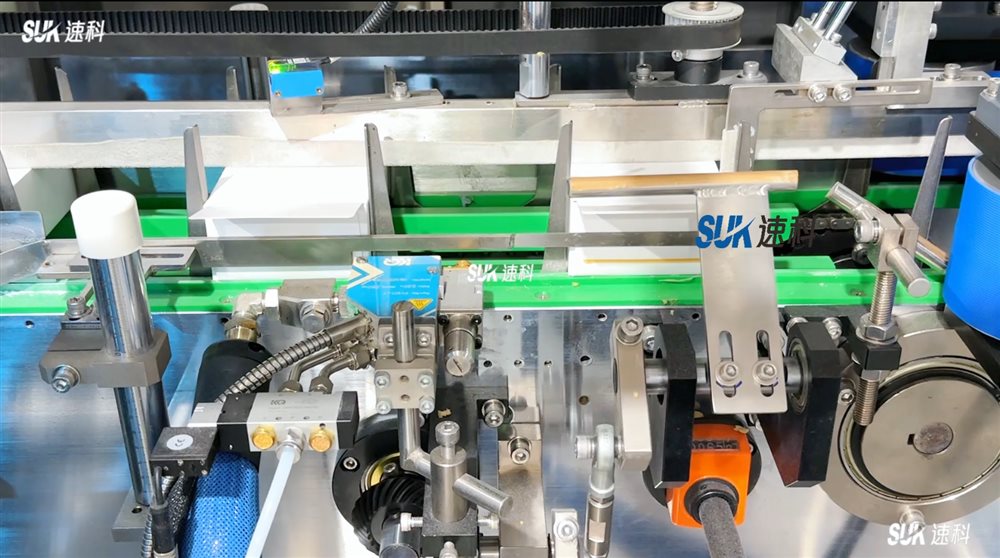
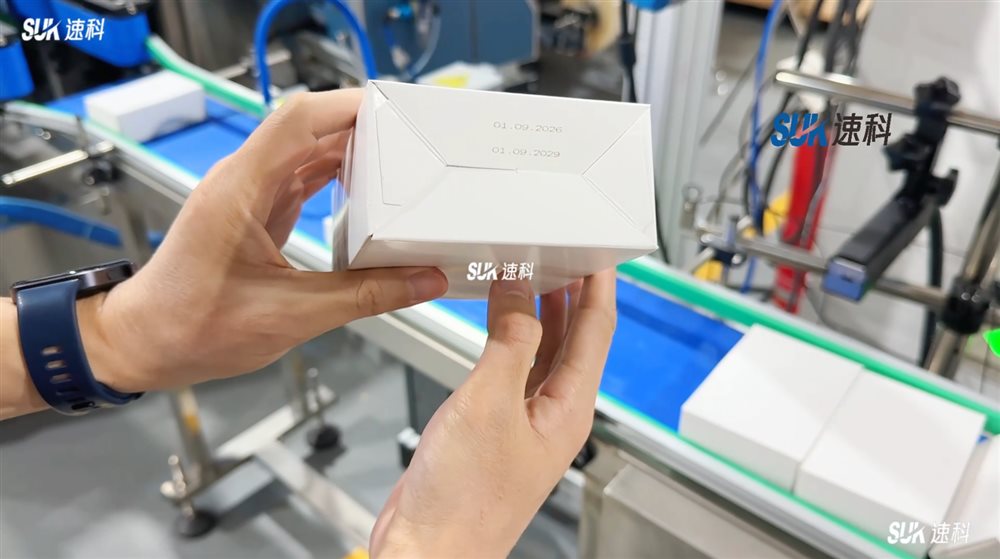
- Closed cartons: Check flap closure, glue application if specified and readable codes in the agreed position.
- Line operation: Record good cartons per minute, rejects and restarts. If you run several SKUs, bring the smallest and largest proposed formats and agree on the changeover scope.
See a Multi-Lane Stick Pack Line in Operation
Watch the full demonstration on YouTube.
View the SUK multi-lane powder stick pack and cartoning line. To plan a trial or request a quote, send SUK your formula, target fill, stick dimensions, sticks per carton and target cartons per minute.