The Evolution of Pet Food Packaging
The global pet food market has seen exponential growth over the last decade, driven by the "humanization" of pets. Pet owners are increasingly seeking premium, nutrient-dense foods for their companions, and this shift has placed immense pressure on manufacturers to upgrade their production and packaging capabilities. In this competitive landscape, the future of pet food packaging is defined by three pillars: speed, precision, and freshness.
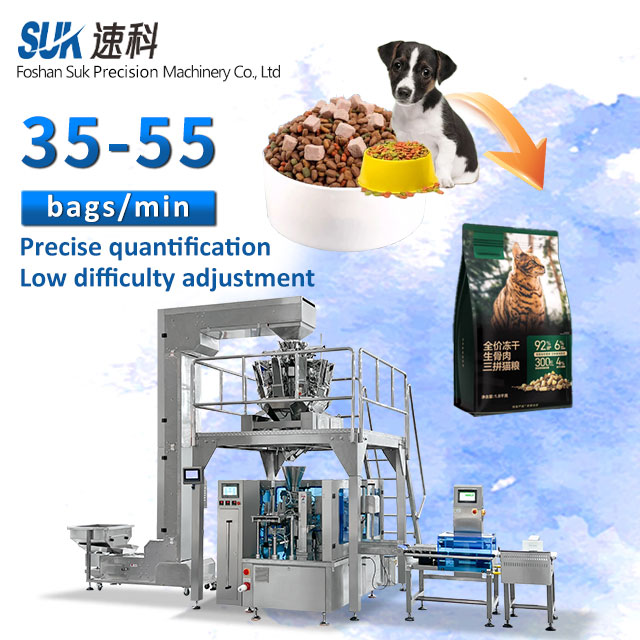
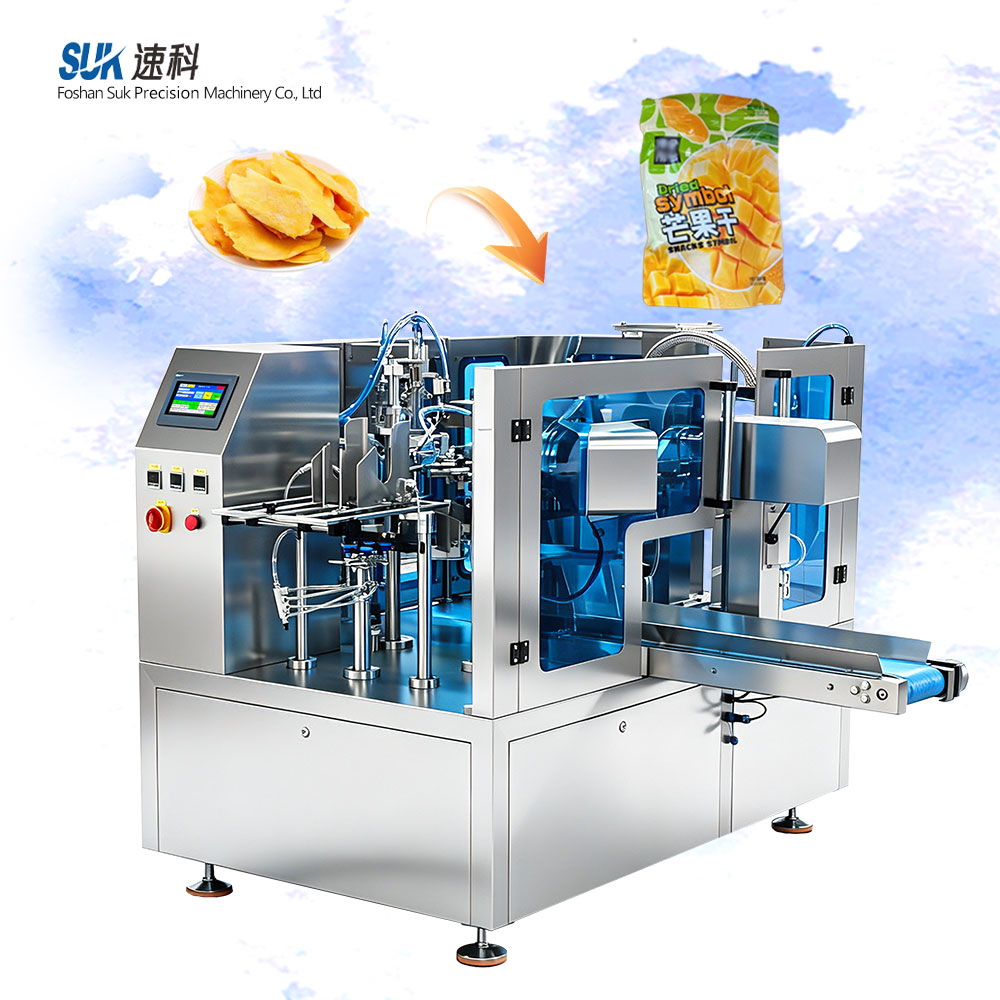
As consumer demand scales, manual packaging processes are becoming obsolete. Modern facilities are transitioning toward fully automated systems to maintain throughput and consistency. One such advancement is the Pet Food Packaging Machine, which exemplifies the shift toward high-speed automation in the industry.
Maximizing Speed and Efficiency
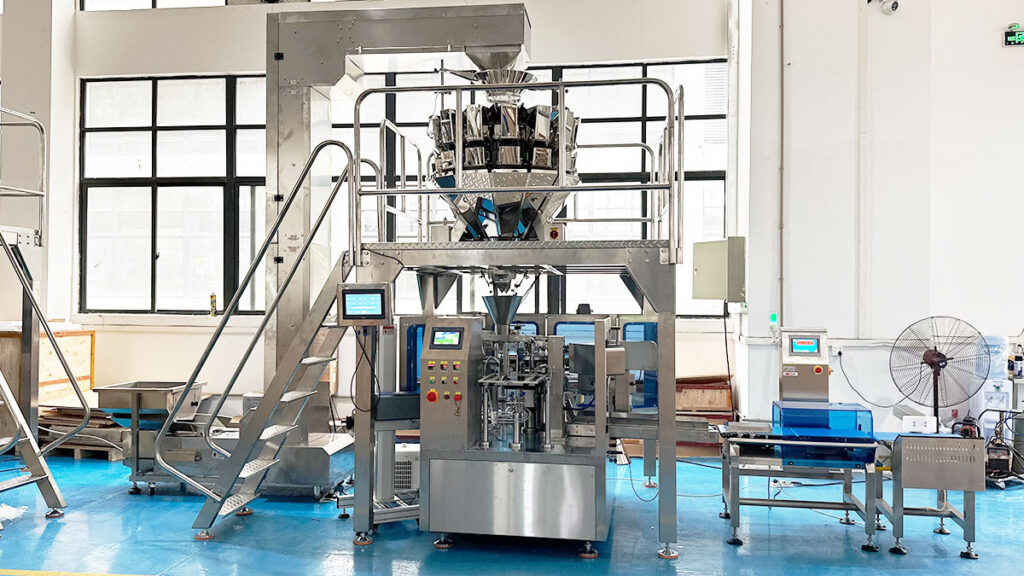
In the world of manufacturing, time is quite literally money. High-speed packaging systems are essential for companies looking to maximize their ROI. Traditional vertical form fill seal (VFFS) machines have served the industry well, but the rise of the premade pouch—such as stand-up pouches and zipper bags—has led to the dominance of rotary premade pouch machines. These machines can operate at speeds of up to 50 or 60 bags per minute, significantly outperforming manual or semi-automatic alternatives.
Efficiency also comes from reduced downtime. Modern rotary machines are designed for quick changeovers, allowing manufacturers to switch between different bag sizes and product types (such as dry kibble versus semi-moist treats) in a matter of minutes. This flexibility is crucial for brands that manage multiple SKUs and need to respond quickly to market trends.
Precision
While speed is important, it cannot come at the cost of accuracy. Precision in weighing and filling is one of the most significant factors in a packaging line's profitability. Overfilling by even a few grams per bag can result in thousands of dollars in lost product (giveaway) over a single production run. Conversely, underfilling leads to regulatory non-compliance and loss of consumer trust.
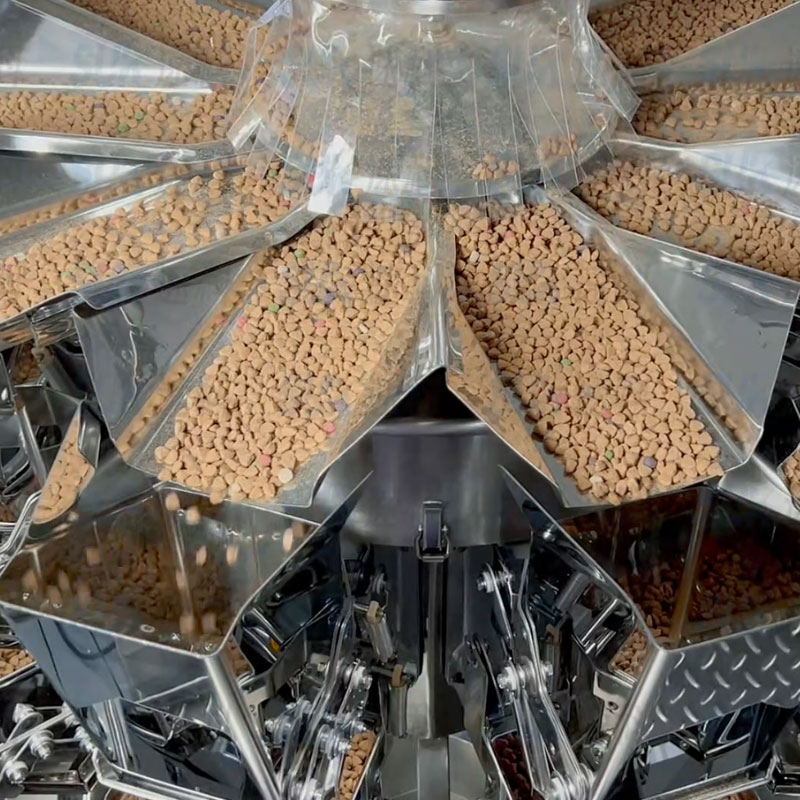
Advanced packaging machines utilize multi-head weighers and integrated sensors to ensure that every pouch is filled to the exact specification. These systems use sophisticated algorithms to calculate the perfect combination of product units to reach the target weight, achieving tolerances as low as 0.1 to 1.5 grams. This level of precision ensures that the "Pet Food Packaging Machine" remains a vital asset for any serious manufacturer.
Guaranteeing Freshness and Quality
Pet owners are more conscious than ever about the ingredients and freshness of the food they buy. Unlike human food, pet food often stays in the pantry for weeks after being opened, making the initial seal and the Heat-sealable composite films (OPP/CPP, PET/PE)'s barrier properties critical. The future of packaging lies in technologies that preserve the organoleptic properties—smell, taste, and texture—of the food.
Freshness is maintained through superior sealing techniques. Ultrasonic sealing and advanced heat-sealing technologies create airtight barriers that prevent moisture and oxygen from entering the bag. In some cases, Nitrogen flushing (MAP) is used to displace oxygen, further extending the product's shelf life without the need for excessive preservatives. A secure seal also prevents the aroma of the food from escaping, which is a common complaint among pet owners dealing with high-odor ingredients like fish meal.
The Sustainable Shift
No discussion of the future is complete without mentioning sustainability. The industry is moving away from multi-layer laminate plastics that are difficult to recycle toward Heat-sealable composite films (OPP/CPP, PET/PE) and compostable films. These new materials present a challenge for older machines, as they often have different melting points and tensile strengths. Modern machines are being engineered with specialized heating elements and tension controls to handle these eco-friendly Heat-sealable composite films (OPP/CPP, PET/PE) without compromising on speed or seal integrity.
Conclusion
The pet food packaging landscape is changing rapidly. To stay ahead, manufacturers must invest in technology that offers high-speed output, extreme weighing precision, and robust sealing capabilities. By adopting solutions like the SUK series machines, brands can ensure their products reach consumers in peak condition, fostering loyalty and driving growth in an increasingly crowded market.
For more information on how automation can transform your production line, explore our latest Pet Food Packaging Machine today.