product
Tapioca starch is a fine, light powder that moves easily and holds air, so a tapioca starch powder packaging machine project usually starts with the powder and the pack rather than with a machine model. How the powder settles in the hopper, how much dust appears around the filling point, and the bag format you actually sell decide most of the configuration.
A tapioca starch powder packaging machine normally sits inside a wider powder packing line. If your factory already packs other powders, the existing powder packing machine platform is often a sensible reference point before the bag format and pack sizes are fixed.
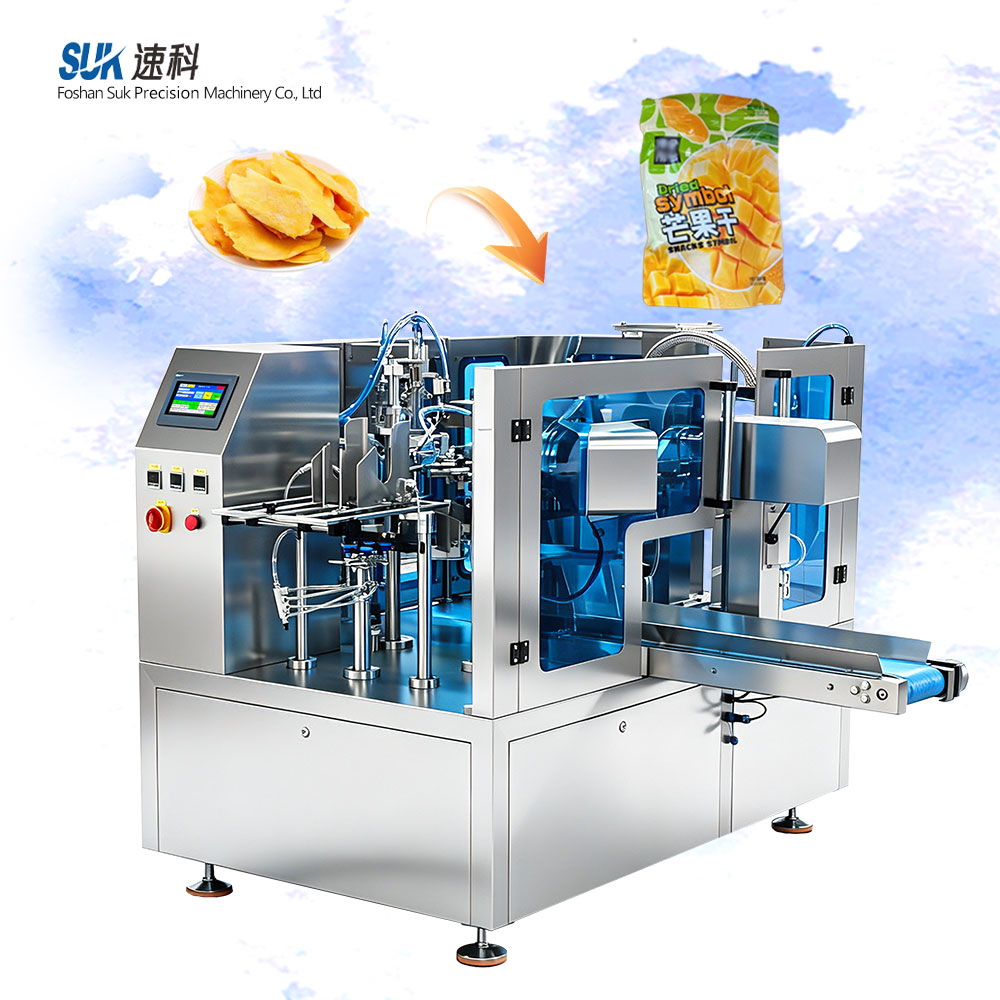
The usual pack styles for tapioca starch are film-based bags formed on the machine, pre-made pouches that are filled through an open top, and smaller sachets or stick packs. Each style asks something different of the feeding and filling side, so it is worth listing the formats you sell before a configuration is discussed.
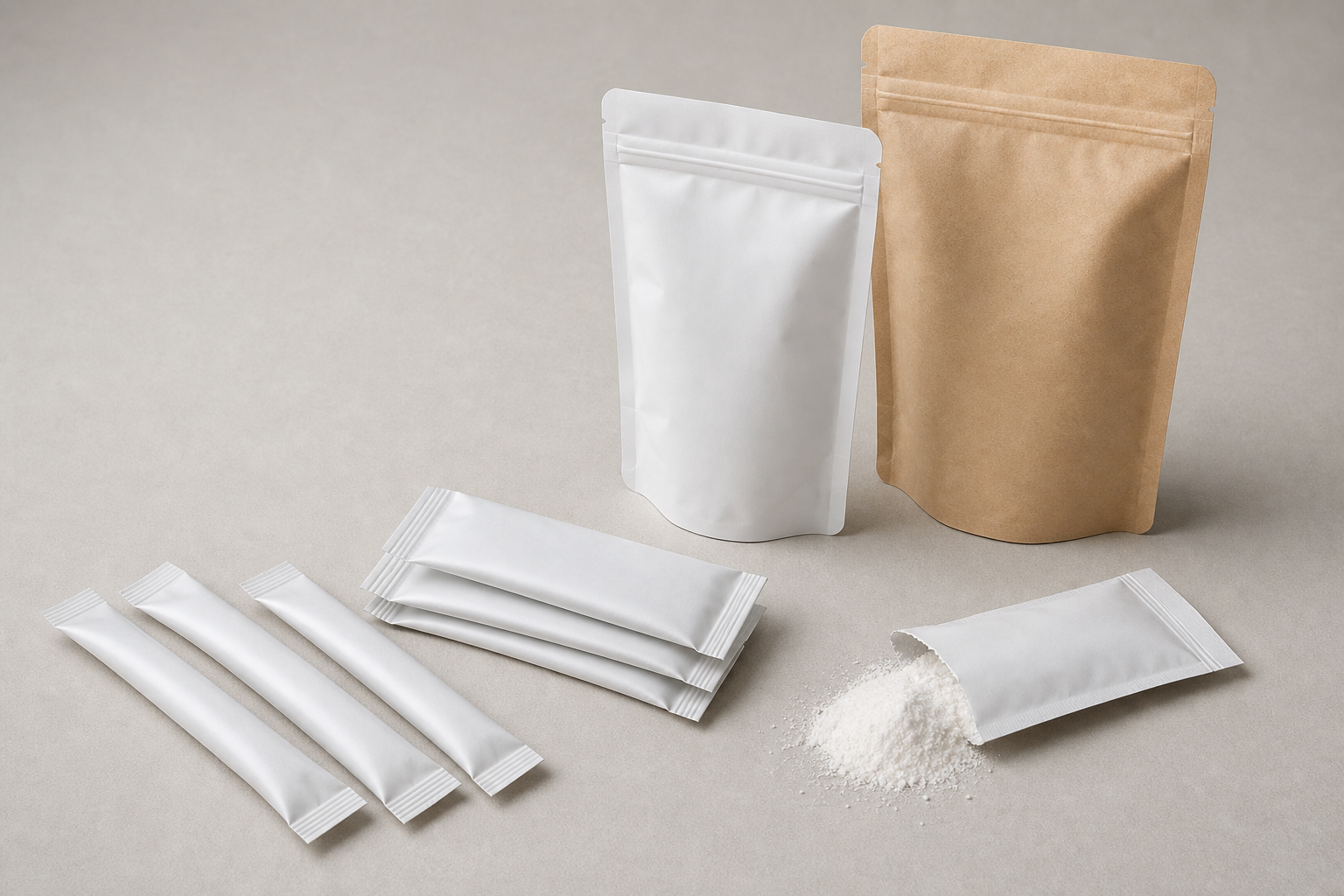
Illustrative packaging-format concept; not a customer product.
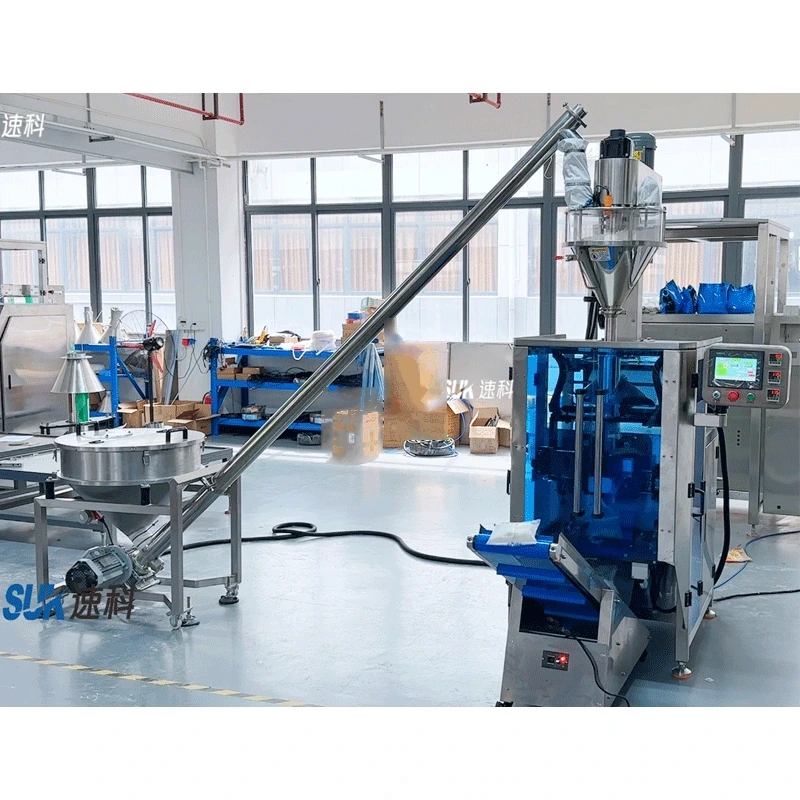
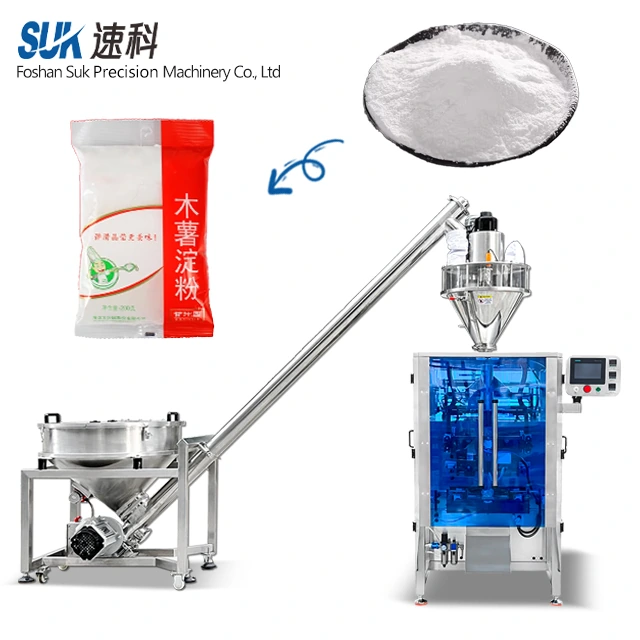
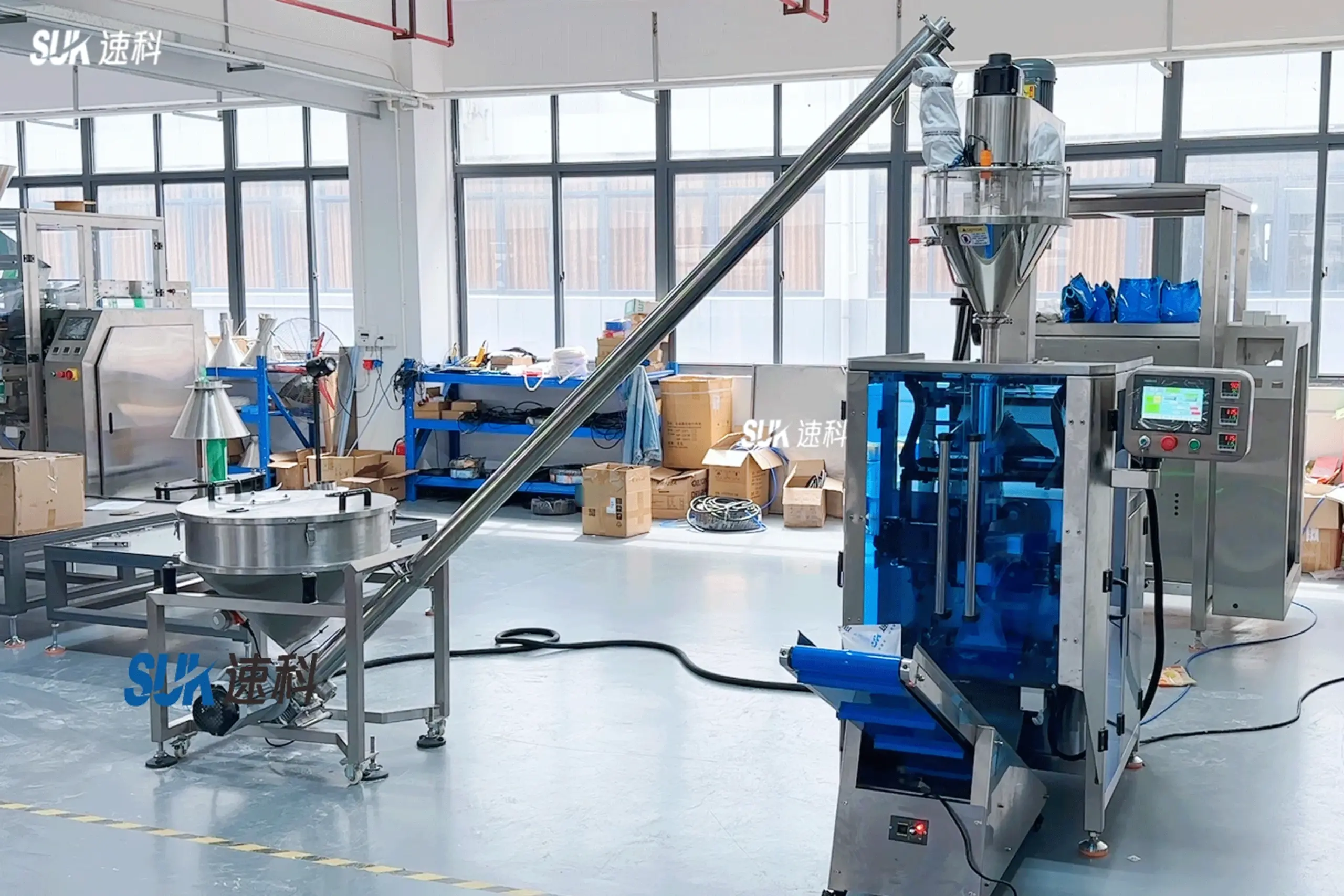
The feeding side usually decides how smoothly a tapioca starch line runs. An auger or screw feeder moves the powder from the hopper to the filling point in a controlled way, and the hopper, agitator and filling tube are chosen around how tapioca starch actually flows rather than around a nominal machine size. How the powder behaves when the hopper is nearly empty, and how often the feeding side needs cleaning between recipes, are both worth asking about early.
The photo below shows real SUK equipment. It is illustrative of the machine configuration we build and is not a customer project.
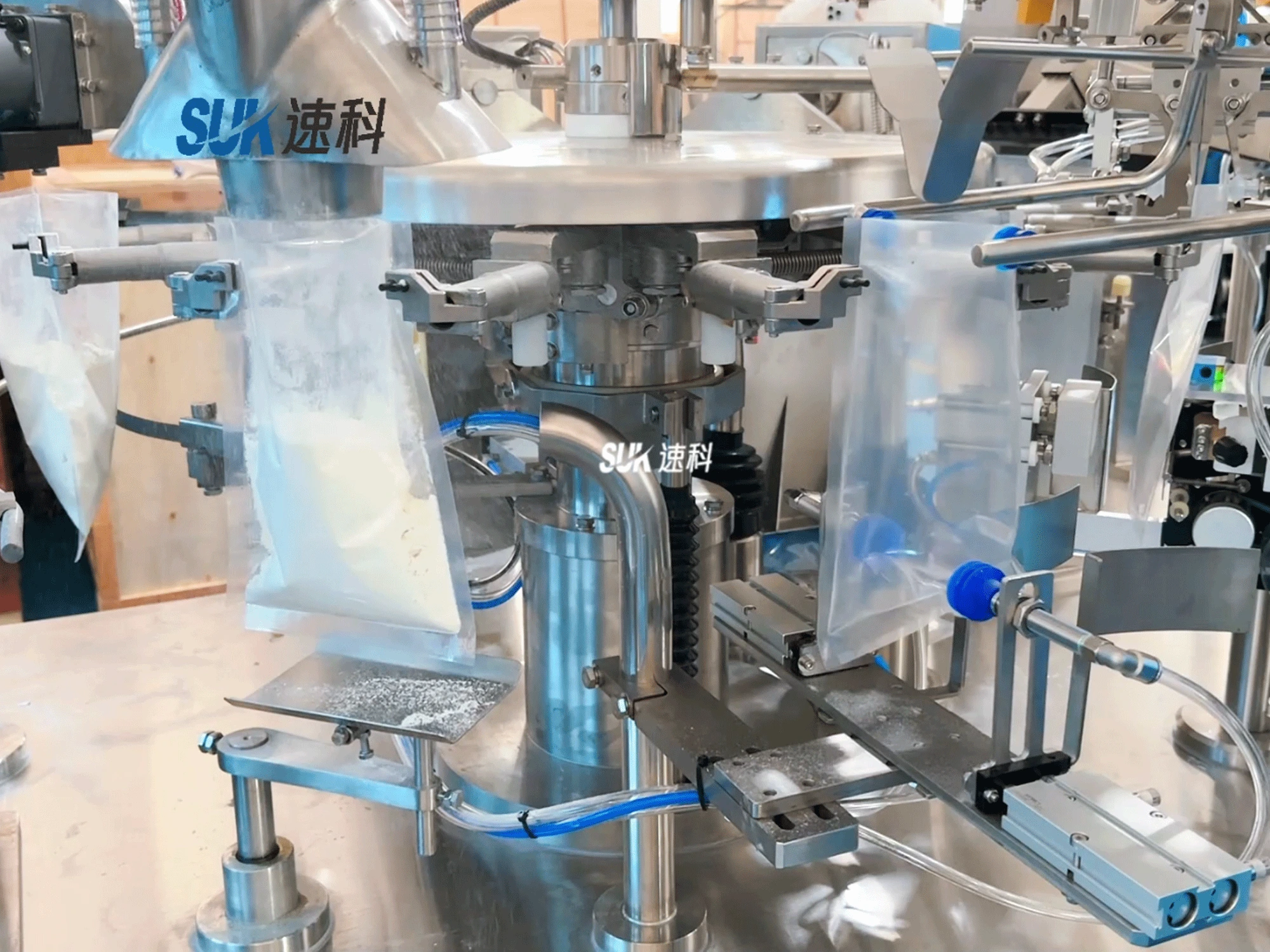
At the filling point the bag or pouch is held open while a measured amount of powder is released into it. Because tapioca starch is light and dusty, how the pack is supported, how the product path is kept closed while the machine runs, and how dust is kept away from the seal area are all part of the review.
Bag handling through the filling station is shown below on real SUK equipment. The photo is illustrative of the machine configuration and is not a customer project.
Pillow bags, gusseted bags, stand-up pouches and narrow sachets each place different demands on the machine. Where a factory needs high output from small packs, a multi-lane powder packaging machine forms several narrow packs at the same time from one film roll, which changes how the powder has to reach each filling point and makes consistent filling across the lanes and clean sealing on narrow seals the points to examine.
Changing only the bag width later is usually straightforward; changing the feeding and filling principle later is not. Deciding the range of formats you expect to run over the life of the machine at the start keeps the configuration sensible.
A configuration review works from your own product and your own pack. A tapioca starch sample, a finished bag or pouch, and a packaging drawing let the feeding, filling and sealing side be checked against something concrete instead of a written description. It also helps to send the pack sizes you sell and the film or pouch structure you plan to use.
Send those details through the contact page and we will come back with the machine families that fit the project and the points that still need to be confirmed.
The front view above is real SUK equipment photographed for illustration. It shows the machine configuration and is not a customer project.