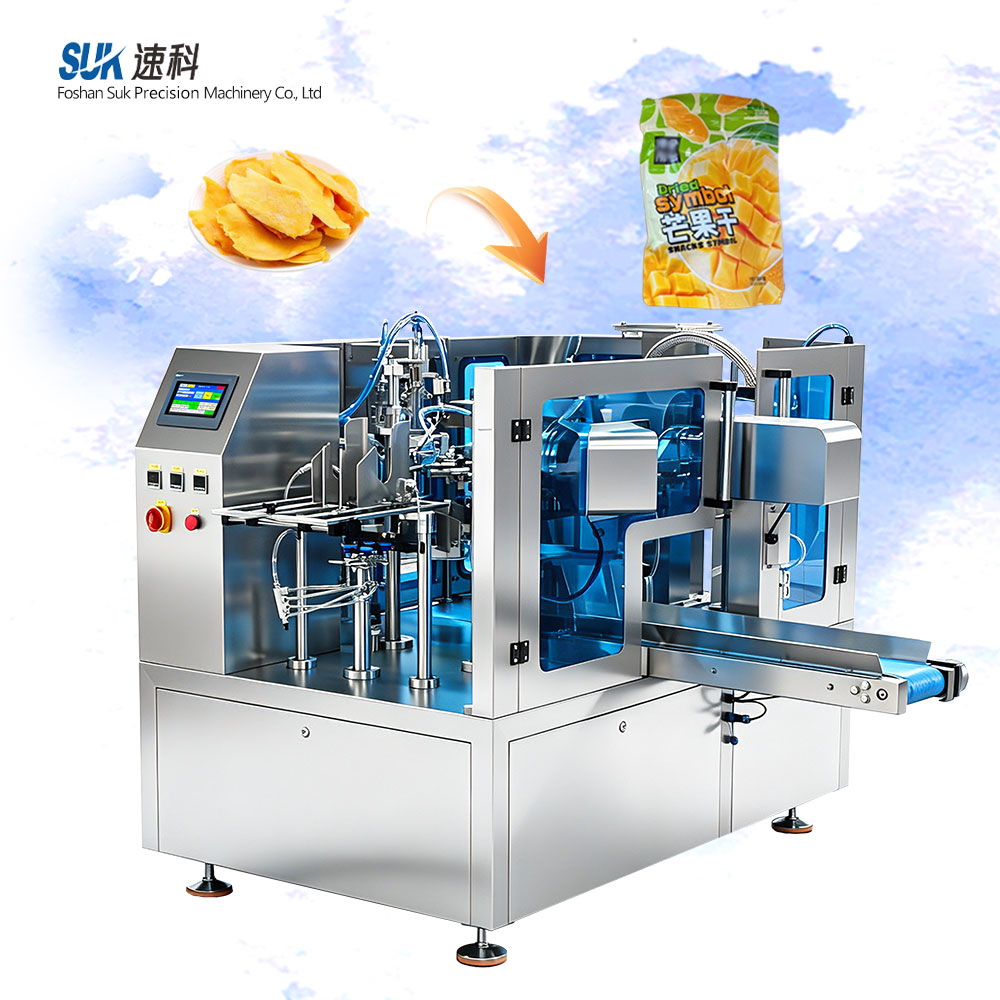
How to choose a snack food packaging machine
A snack food packaging machine should be selected according to the product shape, target weight, package format, production speed and factory workflow. Nuts, chips, cereal pieces, candy and other granule foods do not all feed or pack in the same way. A high-volume food factory may use a vertical form fill seal machine, a premade pouch packing machine, a horizontal pillow wrapper or a combination of these systems with weighing, conveying and downstream cartoning.
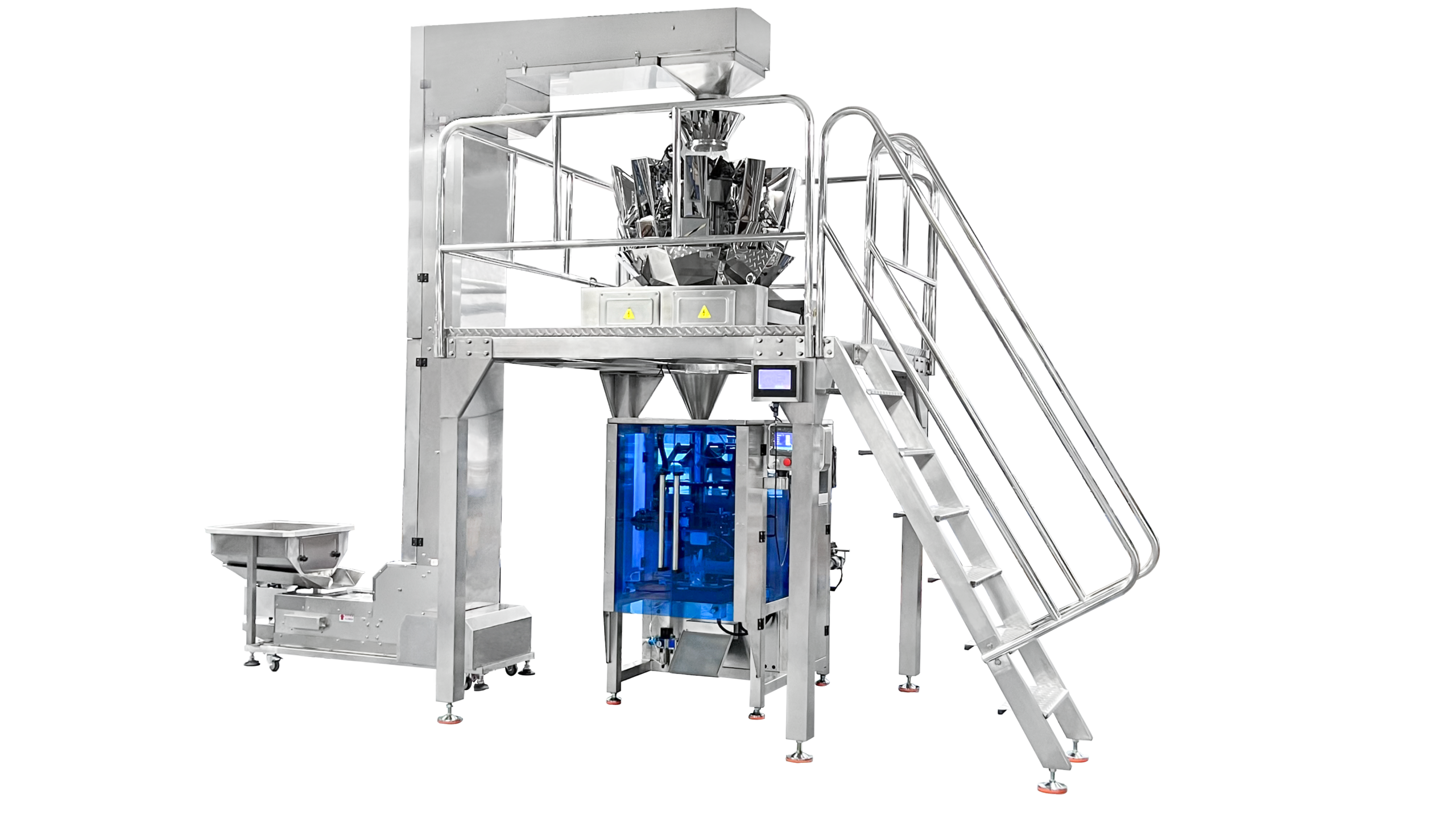
SUK manufactures automatic packaging equipment for granules, powders, liquids and solid products. Its public product range includes vertical packaging machines, premade pouch machines, pillow packaging machines, multi-lane systems and automatic cartoning equipment. This range allows a snack manufacturer to compare the package format and line arrangement rather than treating every product as a generic “snack machine” project.
The practical starting point is the product and package specification. Prepare the snack type, bulk density, piece size, target weight, bag dimensions, film or pouch information and desired bags per minute. Then review feeding, weighing, sealing, inspection and end-of-line requirements. This approach helps the engineering team recommend a suitable machine configuration for the actual food factory.
Which snack products can be packed automatically?
Automatic snack packaging equipment can be used for many products, but each product creates different feeding and weighing conditions. Nuts and mixed snacks may contain different piece sizes and densities. Chips and fragile products require careful handling to limit breakage. Cereal pieces and candy may need stable counting or weighing. Products that release dust or crumbs may also require attention to cleaning and sealing areas.
Common snack and granule applications include nuts, peanuts, seeds, potato chips, puffed snacks, cereal, cookies, candy, dried fruit, grains and other free-flowing food products. SUK’s premade pouch product page lists granules and lumpy materials such as dried fruits, prepared vegetables, candies, cereals, chocolates, cookies, peanuts and nuts. Its vertical packaging page also describes applications for granules and solids in high-volume environments.
The product description should include bulk density and whether the product is fragile, sticky, dusty or mixed. For a mixed snack, the factory should explain whether the ratio of components must remain controlled. For fragile chips or puffed products, the feeding height and discharge path may be important. These details are more useful for machine selection than a broad product label such as “snack food.”
Match the machine to the finished snack package
The three main formats in this comparison should be separated clearly. A vertical VFFS machine uses roll film to form, fill and seal a bag vertically. For loose snacks and granules, the finished pack is commonly a pillow bag, gusset bag or another roll-film bag. A premade pouch machine, also called a given-bag or bag-feeding machine, uses a ready-made stand-up pouch, zipper pouch or another supplied pouch; it feeds, opens, fills and seals that pouch. A multi-lane packaging machine forms several narrow sachets or stick packs in parallel, making it suitable for small single-serve portions rather than a large stand-up pouch.
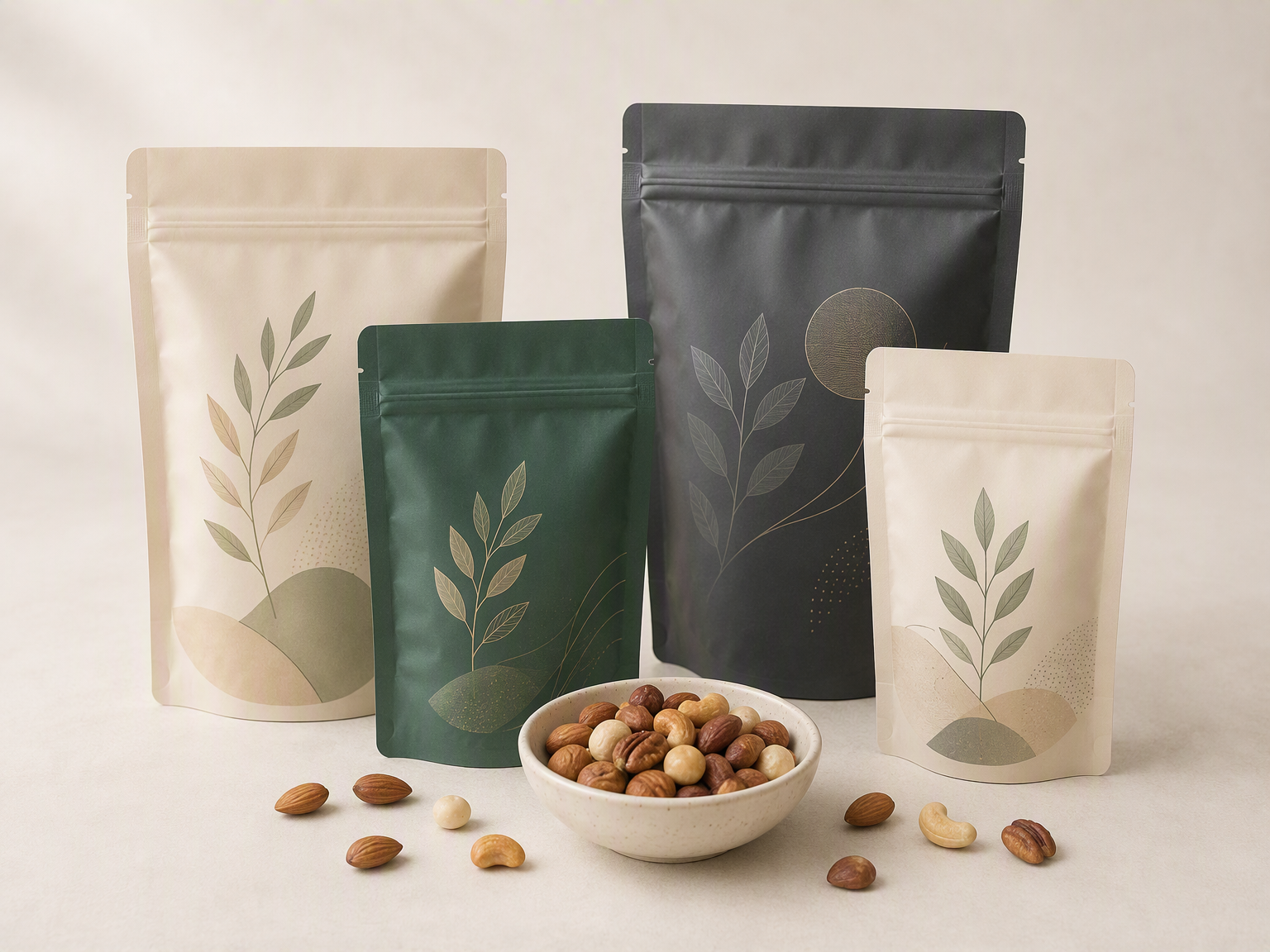
This distinction affects the entire project. VFFS needs roll film and a forming tube, premade pouch equipment needs compatible ready-made bags, and multi-lane equipment needs the correct film web, lane arrangement and sachet dimensions. A snack factory should therefore describe the desired finished package before asking for a machine price. The machine photographs used in this article are real SUK equipment photos. The packaging sample images are concept illustrations that explain output formats; they are not customer packaging artwork or customer delivery photos.
VFFS for snacks, nuts and granules
A VFFS packaging machine forms bags from roll film, fills the product and seals the package in a vertical workflow. It can be a suitable option when a factory wants flexible bag sizes, roll-film packaging and an integrated weighing or dosing system. SUK’s existing Vertical Packaging Machine page identifies the equipment as a Vertical Form Fill Seal Packaging Machine and lists applications including food products, powders, granules, liquids and solids.
For snack production, the VFFS configuration should be reviewed together with the weighing system, product elevator, hopper arrangement, film width and bag dimensions. The target weight and product flow determine the appropriate dosing approach. The factory should also consider whether the bag needs a pillow shape, gusset, block-bottom format or another finish. A standard machine may require a different forming tube or sealing arrangement for a different bag style.
The page should not promise one universal speed for every snack. Actual output depends on the product, target weight, bag size, weighing accuracy, film, feeding stability and the number of operating lanes. A reliable quotation should use the customer’s product and packaging material for testing. The customer can then review the finished pack, weighing result, sealing quality and practical production rhythm before the final equipment is confirmed.
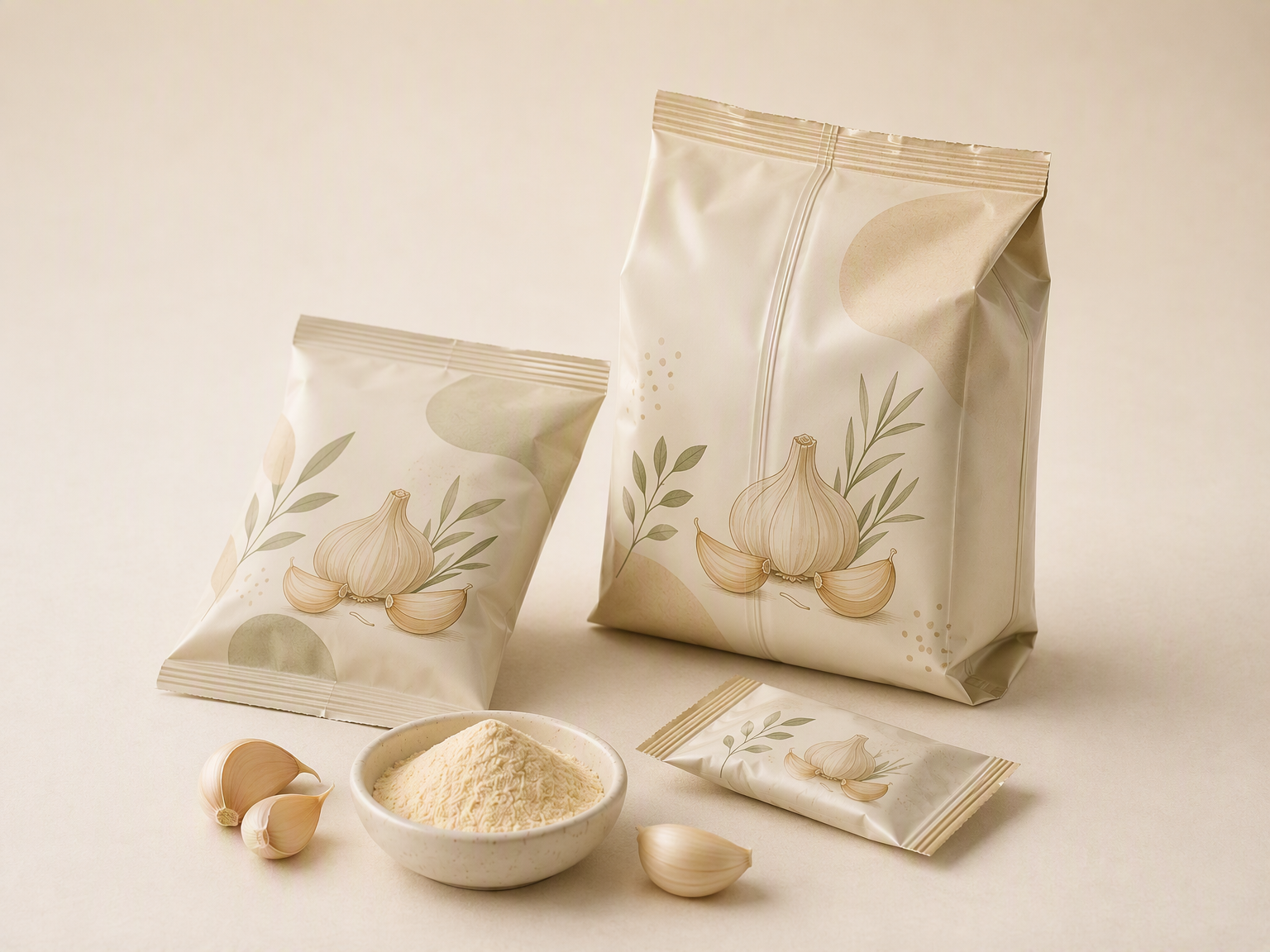
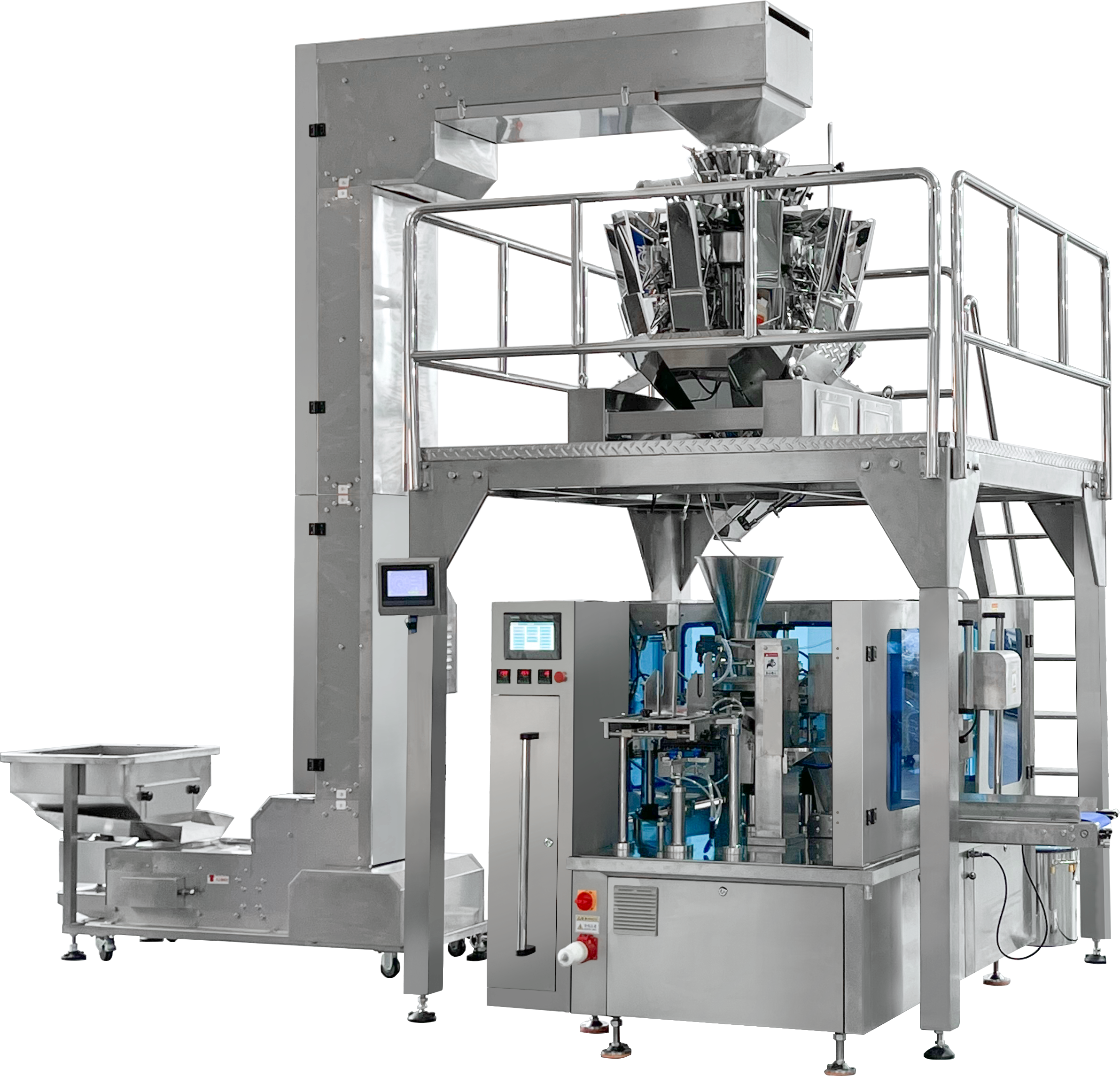
When a premade pouch machine is a better fit
A premade pouch packing machine uses bags that have already been produced. The machine feeds each pouch, opens it, fills the product, seals the top and discharges the finished package. This format can be attractive when a brand needs a stand-up pouch, zipper pouch, four-side-seal bag, paper bag or another package with a specific printed appearance.
SUK’s existing Premade Pouch Packing Machine page covers granules, lumpy materials, powders, liquids, pastes and mixed ingredients. The published examples include nuts, dried fruit, candy, cereal, chocolate, cookies, peanuts and other snack-related products. The page also describes automatic bag feeding, opening, filling, sealing, pouch shaping and discharge.
The main trade-off is that the factory must source or produce premade pouches that match the machine’s bag range. The project should confirm pouch length, width, opening style, zipper or spout requirements, material and sealing area. A premade pouch may provide a different shelf and retail presentation from roll-film VFFS packaging. For a snack brand with a defined stand-up pouch design, that presentation may be more important than using roll film.
When pillow packaging is suitable for snacks
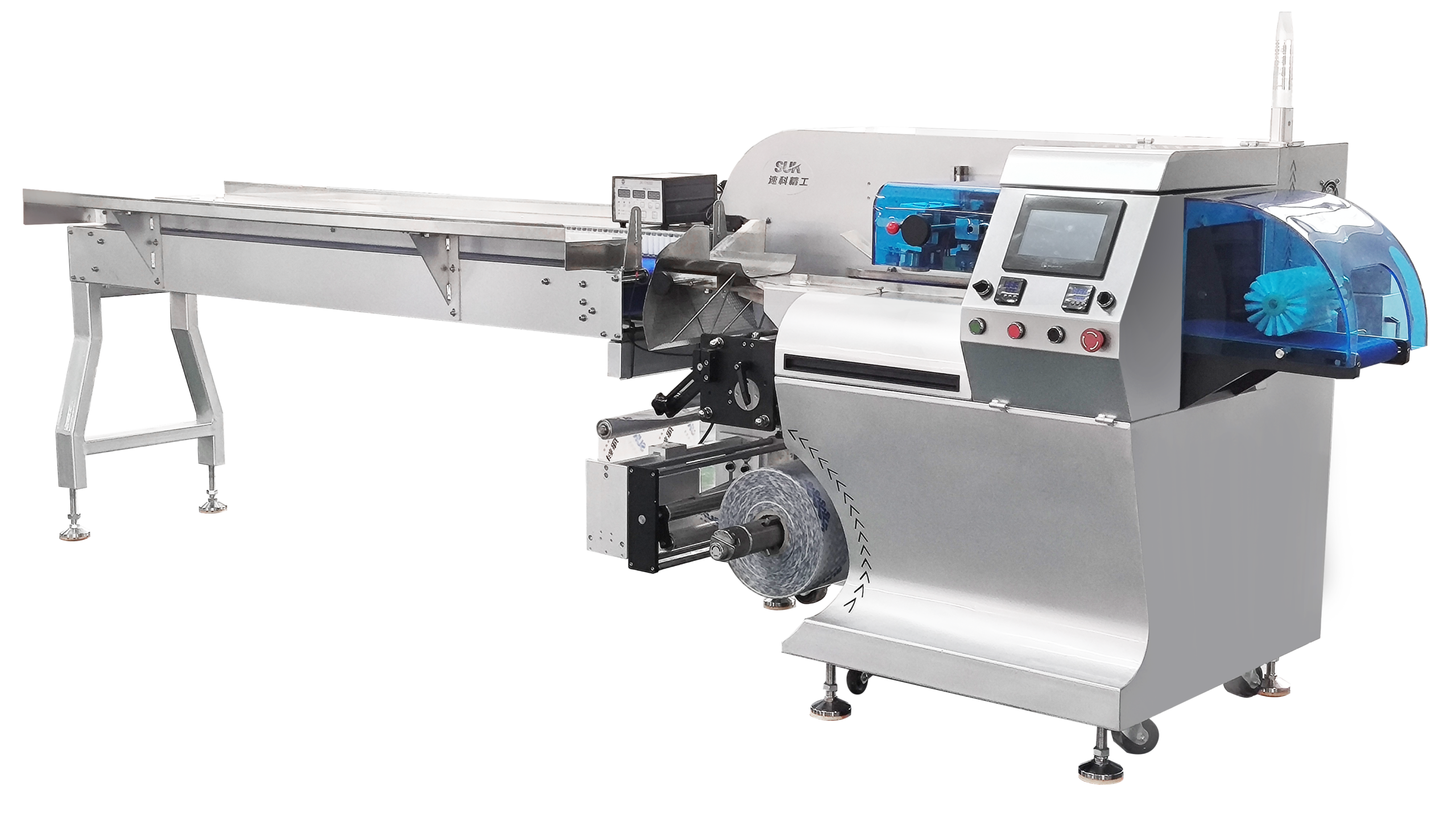
A horizontal pillow packaging machine, also called a flow wrapper, creates a sealed pack around a product as it moves horizontally through the machine. It can be suitable for individual snacks, bars, cookies, bakery products, small trays and other products that can be fed in a controlled orientation. SUK’s existing Pillow Packaging Machine page describes horizontal pillow packaging for food, pharmaceutical, cosmetic, hardware and consumer products.
The format is different from a vertical bag filled with loose granules. A pillow wrapper is normally considered when the product is an individual unit or a grouped product that should be wrapped in film. The engineering review should cover product length, width, height, infeed orientation, film width and required sealing pattern. Fragile or irregular products may require special infeed arrangements to keep the product stable and reduce damage.
For snacks, a factory may use both formats in different parts of its product portfolio. Loose nuts or chips can be weighed into a pouch, while bars, cookies or individual bakery products may be flow wrapped. A clear product-to-format map prevents the factory from selecting a vertical machine for a product that is better suited to a horizontal wrapper, or expecting a pillow wrapper to perform a loose-granule weighing job.
What to review in a high-volume snack line
A high-volume snack packaging line should be assessed as a process rather than as a standalone machine. The upstream product supply, weighing, elevation, filling, sealing, coding, inspection and discharge must work together. Depending on the project, the line may also need a metal detector, checkweigher, conveyor, cartoner, case packer or palletizing system.
Start with the required output and production schedule. Define target pack weight, bags per minute, operating hours and the number of product changes per shift. Then review the available factory space, electrical standard, compressed air, operator access and cleaning route. A machine that fits the output but creates an impractical cleaning or material flow may not be the right factory solution.
Changeover is especially important for snack producers with several flavors, sizes or package formats. The customer should ask which parts are adjusted, removed or cleaned, what tools are needed and how the film or pouch specification changes. The final discussion should also include product trials, acceptance criteria, spare parts, training and overseas installation support. These details affect the total project result more than a headline speed alone.
How SUK supports snack packaging projects
SUK is a Foshan packaging equipment manufacturer with a product range that includes vertical, premade pouch, pillow, stick and cartoning equipment. For snack and granule projects, the existing website pages provide several starting points: VFFS for roll-film bags, premade pouch equipment for stand-up or zipper pouches, and pillow packaging for horizontally wrapped individual products.
The company also presents integrated packaging solutions that connect packaging, material handling, cartoning, case packing and palletizing. For a snack factory, an integrated line review can be useful when the project involves more than filling a bag. The line may need product transfer, counting, inspection, carton packing or case handling after the primary bag is sealed.
To request a configuration review, share the product sample or product video, target fill weight, bag or pouch dimensions, desired speed, film or pouch information, destination country and any downstream packaging requirements. If possible, include a factory layout or the available footprint. SUK can then discuss whether the project should start with a VFFS, premade pouch or pillow packaging route and which auxiliary equipment should be considered.
Request a snack packaging machine review
The best snack food packaging machine is the one that matches the product’s feeding behavior, package format, target weight and full factory process. VFFS is often considered for roll-film bags and loose granules, premade pouch equipment for stand-up or zipper pouches, and pillow packaging for individual horizontally wrapped snacks. The final choice should be confirmed with the real product and packaging material.
Prepare the following information for a project discussion:
- Snack product and product photos or samples
- Piece size, bulk density and fragility
- Target fill weight and acceptable weighing tolerance
- Bag or pouch style and dimensions
- Film or premade pouch material
- Target bags per minute and shift schedule
- Required weighing, conveying, inspection or cartoning equipment
- Factory country, electrical standard and available floor space
Contact SUK Precision Machinery for a configuration review. Compare the existing Vertical Packaging Machine, Premade Pouch Packing Machine and Pillow Packaging Machine pages to identify the most relevant starting point.
Frequently asked questions
What snacks can be packed with automatic equipment?
Common applications include nuts, peanuts, seeds, chips, puffed snacks, cereal, cookies, candy, dried fruit and other granule foods. The correct configuration depends on product size, density, fragility, flow behavior, target weight and package format.
Is VFFS or premade pouch better for snack products?
VFFS uses roll film to form the bag and can provide flexible bag-size options. A premade pouch machine uses ready-made bags and can suit stand-up, zipper or other designed pouch formats. The better choice depends on the packaging appearance, pouch supply, target output and factory workflow.
Can one line pack different snack products?
A line may handle several products or sizes when the weighing system, forming parts, pouch range and cleaning/changeover process support them. The actual product range should be tested rather than assumed from a general machine description.
Can snack packaging connect to cartoning or case packing?
Yes. SUK presents automatic cartoning, case packing, palletizing and material-handling solutions. The required downstream arrangement depends on the finished bag, counting requirement, carton size and case-packing workflow.