Choosing a garlic powder packaging machine usually starts in the wrong place. Most projects begin with a machine label, when the decision that shapes everything else is the bag format the market actually buys. Garlic powder is packed as a finished food ingredient, and the pack it goes into decides how the product is fed, how it is filled and how the finished pack is handled down the line.
This guide covers the two routes SUK works with, explains what each route suits, and then walks through how to match a pack format to equipment. It is written as a selection guide rather than a specification: nothing here is a price, a performance figure or a statement about a customer project.
Start With the Bag Format
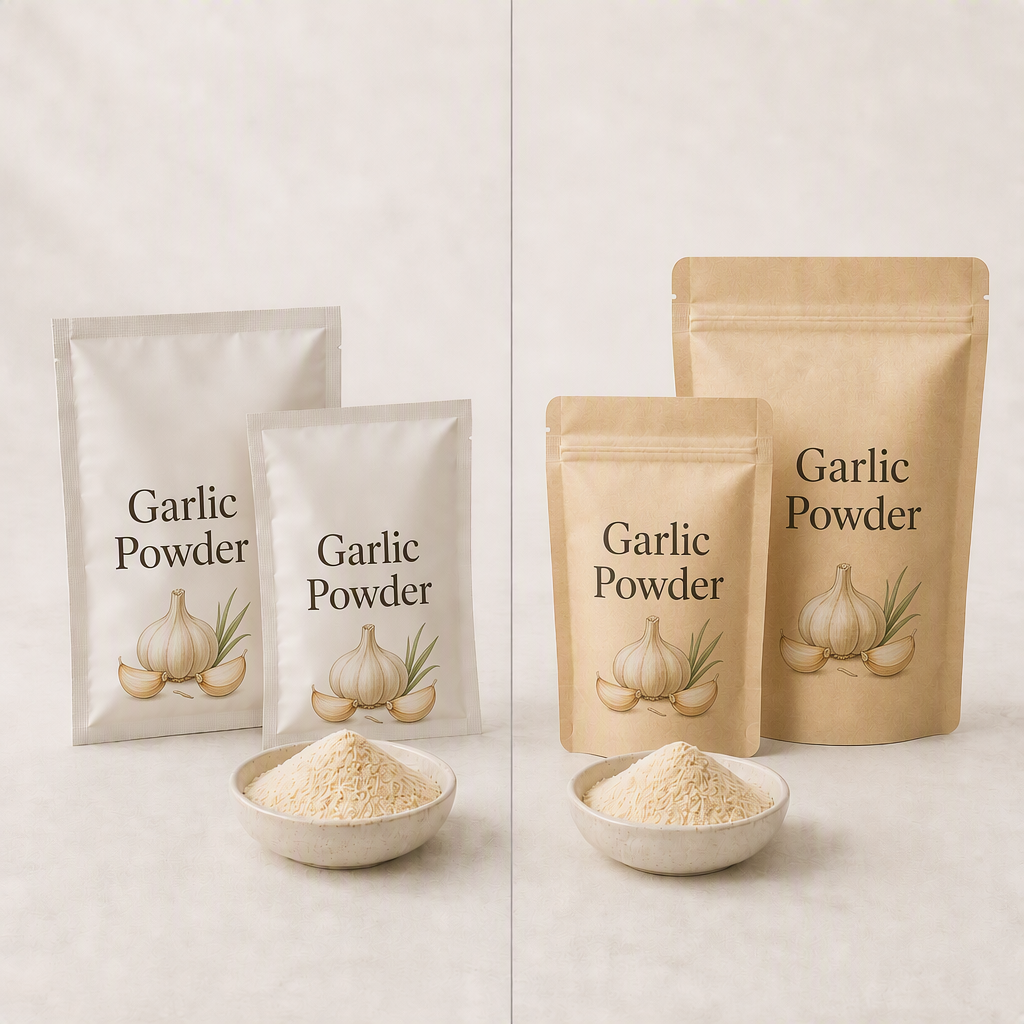
Before any equipment is discussed, write down the pack you sell. A pack formed on the machine from a roll of film and a pouch that arrives ready-made are handled by different machine families. The market decides the format, and the format decides the machine. Getting that order right removes most of the confusion later.
It also helps to separate two kinds of question. The first is what the market wants: the shape and proportion of the pack, how it is displayed on a shelf, and how it is handled by the person who opens it. The second is what the line needs: how the powder is fed, how the pack is closed and how it leaves the machine.
Both questions have to be answered before a route is chosen. A pack that looks right but cannot be filled cleanly is as much of a problem as a line that runs well but produces a pack the market will not buy.
Two Packaging Routes at a Glance
The roll-film route forms the pack on the machine from a roll of film, fills it and seals it in one continuous cycle. It suits a factory that wants the pack made on site, from a film structure chosen for the project, with one consistent pack shape running down the line.
The premade route takes a pouch that has already been made and runs it through opening, filling and sealing stations. Because the pouch is printed and closed before it reaches the line, the pack appearance is fixed early, and the machine work concentrates on opening, filling and closing it cleanly.
Neither route is automatically better. The roll-film route keeps more of the pack definition inside the project, while the premade route buys that definition in from a pouch supplier. Which one fits depends on the pack list you actually sell.
Vertical Roll-Film Configuration
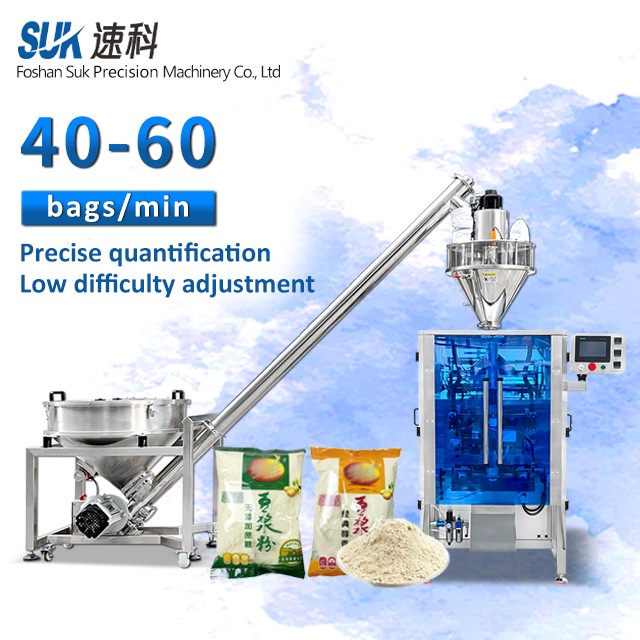
The vertical roll-film configuration is the route to compare against when the pack is made on site. The film arrives on a roll, the pack is formed around a tube, filled and then closed in the same cycle, so the film structure and the closure are part of the project rather than fixed in advance. The vertical packaging machine platform is the family to look at first.
A review has to settle several things here: how the powder reaches the forming and filling side, how the closure is made, and how the finished pack leaves the machine for the next step in the line. Those answers come from your own pack and your own line, not from the route itself.
It is also worth deciding early whether this route will be the only one. If a pouch is likely to join the range later, that affects how the line is laid out and how much flexibility you want to keep.
Premade Pouch Configuration
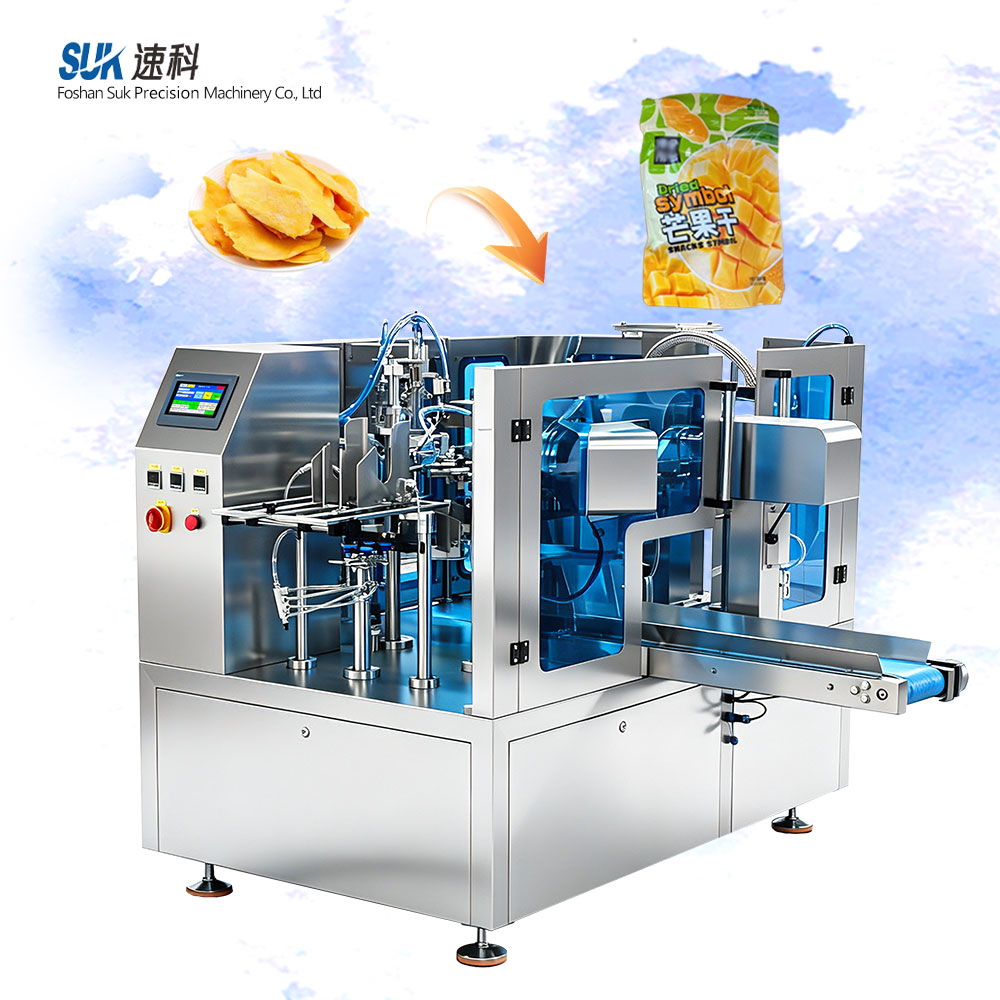
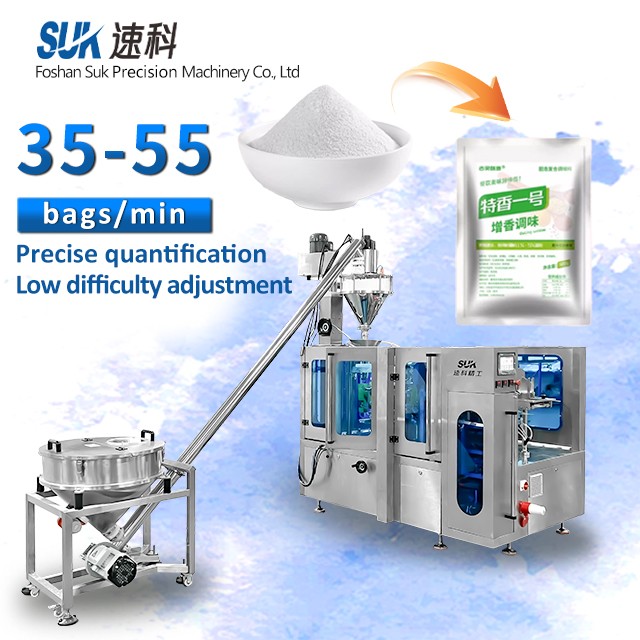
In the premade pouch configuration the pouch arrives ready-made and is opened, filled and sealed on the machine. It is the route for a factory that buys finished pouches, printed and laminated, and wants the pack to look the same on every run. A stand-up format belongs on this route and not on the roll-film route, because the pouch is already made before it reaches the line. The premade bag packing machine range covers this route.
The questions are the same family as before, but the order changes. Because the pouch is already open and presented, the filling and closing sides can be checked against a real pouch, while the powder still has to be delivered into the open pouch without soiling the seal area.
This route also changes where the risk sits. Print, lamination and the closure are settled by the pouch supplier, so the project review concentrates on how the pouch behaves on the machine rather than on how the pack is built.
Matching Bag Format to Equipment
Once the format is fixed, the equipment questions become specific. List every pack you intend to run on the machine, not only the biggest seller, because the configuration has to cope with the least convenient pack in the list rather than the easiest one. If a format may be added later, say so at the start rather than after the machine is ordered.
It is also worth deciding how much flexibility you want to keep. A garlic powder packaging machine set up for one pack format is not automatically the right answer for another, so compare the two routes against your own pack list rather than against a general description.
Write the comparison down before you speak to anyone. A short table listing each pack, the route it points to and the open questions beside it is more useful in a review than a long description, because it shows where the project is genuinely undecided.
What to Prepare Before a Configuration Review
A review works best when it is based on real things rather than descriptions. Send the powder you will actually run, a finished pack or pouch, the film or pouch structure if you have it, and a simple drawing or photograph showing where the machine will stand on the floor.
It also helps to write down how the finished pack leaves the machine and what happens next. Checkweighing, metal detection, cartoning and case packing each add a transfer point, and every transfer point is somewhere a pack can be handled badly or a line can slow down.
Finally, list the people who will sign the project off. A review that ends in a decision is more useful than one that ends in a document, and knowing who needs to agree on the package is part of getting there.
Next Steps for Your Garlic Powder Packaging Project
The sequence is straightforward: fix the pack format, choose the route that matches it, and then work through the equipment and line questions with a real sample in hand. Descriptions are useful, but samples are better, so send enough material to make a trial meaningful and include the film or pouch structure with it.
If you would like help placing your own pack on one of the two routes, send your details through the contact page and we will come back on the garlic powder packaging machine configuration that fits the project and the points that still need confirmation.