Start with the coffee product, not the machine name
A coffee packaging machine should be selected according to the coffee product form, target pack, production plan and post-packaging workflow. Whole beans and ground coffee may come from the same roaster, but they do not behave identically during feeding, weighing, filling and sealing. The machine that suits a retail pouch of whole beans may need a different feeding and weighing arrangement for ground coffee.
The first project brief should state whether the factory is packing whole beans, ground coffee or both. Add the roast type, grind size, target fill weight, expected SKU range, pouch dimensions, pouch material and required output. This gives the supplier a real basis for comparing a premade pouch route, a VFFS route or a single-serve stick/sachet route.
SUK's Coffee Packaging Machine for Whole Beans and Ground Coffee page is the product-level reference for this two-form comparison. It summarizes the SKGD premade-pouch machine family, package formats and the information needed for a technical review.
Whole beans and ground coffee require different reviews
Whole-bean packaging
Whole coffee beans are relatively large, irregular pieces. Their filling behavior is influenced by bean size, roast, density and the shape of the pouch. The factory should check whether the selected pouch gives the beans enough room to settle into a stable pack and whether the feeding and weighing process protects the desired appearance.
The target weight should be tested with the actual beans. A small specialty-coffee pouch, a larger food-service pack and a mixed-SKU retail line may require different settings, pouch sizes or changeover procedures. The production target also matters: a roaster running many origins and roast profiles may value flexibility and easy changeover, while a high-volume line may prioritize continuous throughput.
Ground-coffee packaging
Ground coffee behaves more like a powder and may carry different flow, settling, dust and seal-area considerations. Grind size, product density, oil content and moisture condition can affect filling consistency and the cleanliness of the pouch seal. The filling method should be reviewed with the actual coffee instead of being selected from the word “coffee” alone.
Ground coffee may use flat pouches, stand-up pouches, zipper pouches or other premade formats. The final choice depends on retail presentation, opening requirements, storage expectations and the product weight. A physical sample of the coffee and pouch is more useful than an assumed universal setting.
Choose the finished coffee pouch format
The package format is the second major decision. SUK's coffee packaging product information lists stand-up pouches, zipper pouches, four-side-seal pouches, tote bags and paper bags. These formats are supplied as premade bags and are fed into the machine before opening, filling and sealing.
A stand-up pouch can present well on a retail shelf. A zipper pouch can support repeated opening when the pouch structure and design are suitable. A four-side-seal bag creates a different visual and sealing format. Paper or laminated structures may require their own material and sealing review. The factory should send a pouch sample or drawing that shows the actual opening, seal area, dimensions and any valve or accessory.
A premade pouch machine is different from a vertical VFFS machine. VFFS forms a bag from a roll of film, while a premade pouch machine starts with an already manufactured bag. It is also different from a multi-lane sachet machine, which forms several narrow single-serve packs in parallel. These routes should not be mixed in an Ads landing page or quotation request.
Compare the main machine routes
Premade pouch packaging for retail coffee
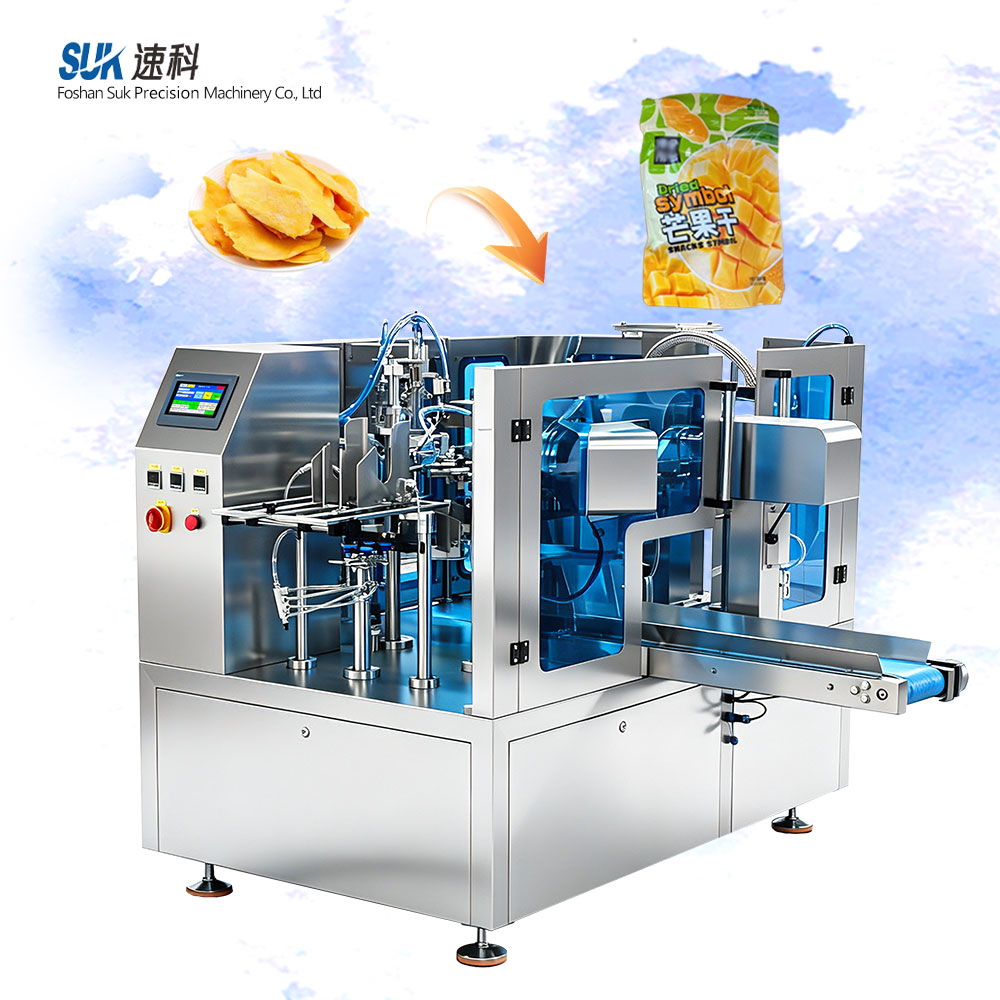
The premade pouch route is a natural starting point when a coffee brand already has printed stand-up, zipper or other ready-made pouches. The machine must feed the pouch, open it, fill the coffee, seal it and discharge it reliably. Review the pouch dimensions, opening behavior, seal structure, target weight and required speed together.
Vertical VFFS for roll-film bags
A vertical VFFS coffee line forms the bag from roll film, fills it and seals it in a continuous process. It may suit factories that want to control the roll-film bag format, run a different bag style or build a line around a specific forming tube and weighing system. The finished bag is not the same as a premade stand-up or zipper pouch.
Stick and sachet packing for single-serve coffee
Single-serve coffee powder may use a stick pack or sachet route. These narrow packs are different from retail coffee pouches and are normally selected for portion packaging, samples, hospitality supply or other single-use applications. If the project requires small coffee portions, specify the sachet or stick width, length, fill weight and desired cut style.
SKGD machine range for coffee pouches
The following table is taken from the existing SUK Coffee Packaging Machine product information. It is a starting point for comparing the SKGD rotary premade-pouch machine family; the final model should be confirmed with the actual coffee product and pouch.
| Model | SKGD-200R | SKGD-300R |
| Packing speed | 20–60 bags/min | 20–45 bags/min |
| Bag length | 100–350 mm | 100–400 mm |
| Bag width | 80–200 mm | 180–300 mm |
| Measurement range | 10–2500 g | 10–3500 g |
| Power | 3.5 kW | 5.5 kW |
| Machine weight | 1400 kg | 1800 kg |
| Machine dimensions | 2480 × 1600 × 1483 mm | 2460 × 1870 × 1460 mm |
Do not read the table as a promise that every coffee product, pouch or configuration will run at the same result. A technical review should check coffee behavior, target weight, pouch design, filling method, seal quality, changeover requirements and downstream handling.
For a roaster comparing the two models, the useful questions are not only speed and bag size. Ask which model matches the largest pouch, whether the weighing system suits the product form, how the line will handle SKU changes, and what equipment is needed after sealing. A complete coffee project review should also check the pouch supply method, coding position, inspection point and operator access. These details make the table useful for a quotation discussion without turning catalog values into an unconditional production guarantee.
Review freshness-related requirements carefully
Coffee buyers often ask about freshness, valves, barrier film, resealing and gas-related options. These requirements must be stated as project inputs rather than assumed from a generic coffee packaging machine keyword. Whole beans and ground coffee may have different packaging objectives, and the coffee producer should define the desired storage and distribution conditions.
If the project needs a one-way valve, zipper, oxygen-barrier laminate or gas flushing, send that requirement with the pouch drawing and coffee sample. The machine, pouch and process must be assessed together. The website should not promise a specific shelf-life extension without product testing, material confirmation and the customer's storage conditions.
Also describe how the coffee will travel after packaging: local retail distribution, export containers, food-service delivery or direct-to-consumer fulfillment can impose different handling conditions. The packaging engineer can then review whether the pouch structure, seal process, closure and any freshness-related option match the intended route. This keeps the page technically useful without making a shelf-life claim that has not been tested for the customer's product.
Prepare the right quotation information
A useful coffee packaging inquiry should include:
- Whole beans, ground coffee or both
- Roast type and grind size where applicable
- Coffee density or product sample
- Target fill weight and tolerance
- Pouch length, width, thickness and material
- Zipper, valve, tear notch or opening requirements
- Required bags per minute and daily production
- Number of SKUs and expected changeovers
- Destination country and electrical standard
- Date coding, inspection, cartoning or case-packing requirements
- Available installation space and preferred line direction
Clear information prevents a factory from selecting a machine based on a generic coffee photo. It also helps SUK decide whether a premade pouch, VFFS or single-serve route should be assessed first. If the factory is replacing an existing machine, include the current pack, the main production bottleneck and the desired improvement. If the line will be installed in a new plant, include the available footprint and preferred material-flow direction. A short but complete project brief usually produces a more useful recommendation than a request that only says “coffee packaging machine price.”
FAQ
What is the best packaging machine for coffee beans?
There is no single best machine for every coffee factory. For ready-made retail pouches, a premade pouch system may be a practical route. The final choice depends on bean size, target weight, pouch design, output and downstream workflow.
Can ground coffee and whole beans use the same machine?
A machine platform may support both, but the feeding, weighing, pouch and cleaning requirements should be reviewed with both products. Send samples if one line will run whole beans and ground coffee.
Is a coffee pouch packaging machine the same as a coffee sachet machine?
No. A coffee pouch machine typically handles a larger retail pouch, while a sachet or stick-pack machine creates a smaller single-serve pack. The finished package and target use are different.
What pouch styles can SUK coffee machines handle?
The existing SUK coffee product information lists stand-up pouches, zipper pouches, four-side-seal pouches, tote bags and paper bags. The compatible format must be confirmed with the actual pouch and machine configuration.
What should I send before requesting a quote?
Send the coffee sample, target fill weight, pouch sample or drawing, material structure, required output, destination country, electrical standard and downstream equipment requirements.
Request a coffee packaging machine review
Start with the finished pack and the coffee product. Send your beans or ground coffee sample, pouch sample or drawing and production target to SUK Precision Machinery. Then SUK can compare the machine route, filling range and pouch format for the actual factory project. Include the target market, electrical standard, installation space and any valve, zipper, coding or carton requirement so the review can move from a generic product discussion to a practical factory configuration.
For a faster first review, send one clear photo of the current package, one photo or drawing of the filling area, and the expected number of coffee SKUs. If the project is a new line, state the planned launch pack sizes. If it is a replacement project, describe the current machine's main limitation, such as slow changeover, unsuitable pouch handling or insufficient output. This gives the sales and engineering teams a useful starting brief before a formal quotation.
Related SUK pages
The new coffee industry product page is the main conversion destination for this guide. Use it when the project involves both whole beans and ground coffee, or when the buyer needs to compare pouch formats and SKGD model ranges. The existing coffee bean page is more focused on ready-made pouches for bean projects. The Stick Packing Machine page is more relevant when the required output is a narrow single-serve stick or sachet. The Multi-Lane Powder page is relevant when the coffee is a powder portion packed in parallel lanes rather than a larger retail pouch. The Automatic Cartoning Machine page becomes relevant when sealed coffee pouches need to enter a secondary carton workflow.