Choosing a Packaging Route for Drink Mix Powder
Choosing a packaging route for drink mix powder
Buying equipment for a dry beverage blend requires more than choosing a bag style. A powder that flows well immediately after blending may behave differently after storage or transfer. Build the purchasing trial around the powder conditions your factory will actually encounter, then select a packaging route that can meet the agreed fill and pack criteria.
From beverage powder brief to equipment review
Already have a formula and pack drawing? Review the drink mix powder equipment options. For parallel single-serve production, compare the multi-lane powder platform; add counting and cartoning only if boxed packs are required.
Send SUK your beverage powder project brief: formula or representative sample, grams per serving, finished bag dimensions, film, accepted packs/minute and any cartons/minute target. The trial checklist below helps compare proposals on the same basis.
1. Establish whether the product is powder or liquid
Write “dry drink mix powder” in the enquiry and state the nominal fill in grams. Identify the intended serving pack and how the customer empties it. If the project instead involves liquid concentrate or a ready-to-drink beverage, prepare a separate specification covering liquid properties and filling conditions. Do not use a liquid machine's milliliter capacity to shortlist a powder machine.
For each powder, record measured loose bulk density, particle characteristics, storage time before packing and any tendency to cake or separate. Include the test method and date where measurements are available. Send representative production samples, including the least free-flowing flavor or batch condition expected within your specification.
2. Make the bag decision with filled samples
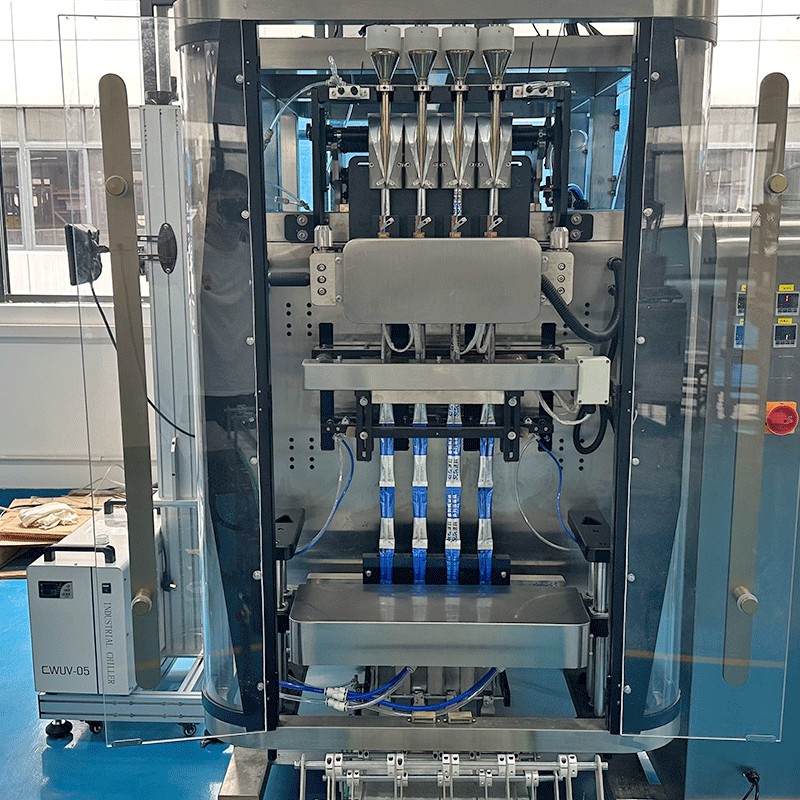
Use a narrow stick when the required portion fits and the opening allows practical dispensing. Trial the stick packing route with your proposed film and actual powder. If the powder occupies too much space or leaves inadequate seal clearance, evaluate a wider bag before increasing machine speed or accepting a compressed sample as proof.
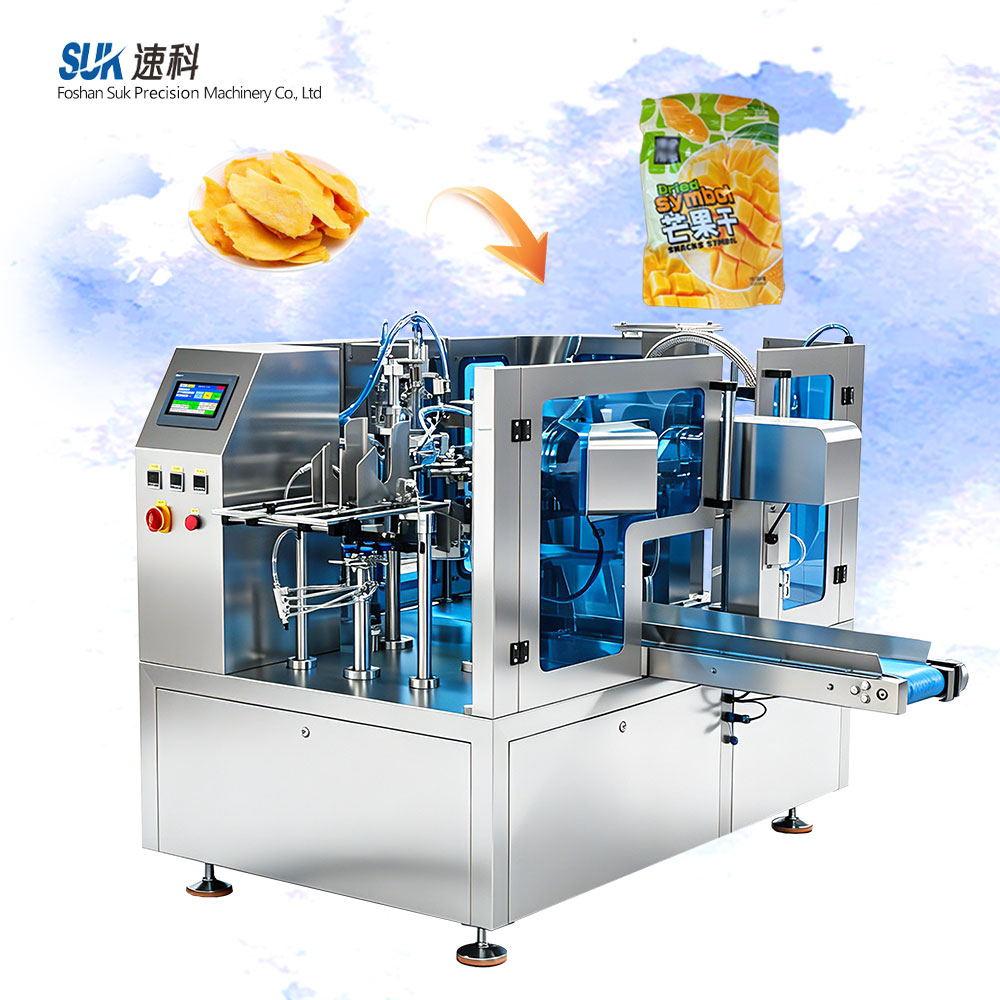
For a wider roll-film pack, assess the vertical packaging route. If a purchased stand-up pouch or closure is essential, assess a premade bag packing machine with the correct powder filler. Record the selected route and the reasons rejected alternatives failed the pack specification.
3. Agree a powder handling trial
Use enough material to observe repeated replenishment and a meaningful continuous run. Record the powder's condition when received and when loaded. If storage exposure is part of normal production, reproduce an agreed exposure period within the product's handling limits rather than testing only freshly opened powder.
- Watch for bridging, rat-holing, lumps and intermittent feeding at different hopper levels.
- Collect individual net weight results at startup, steady operation and after replenishment.
- Identify samples by lane, time and formula; do not pool every lane into one average.
- Observe whether agitation or transfer changes the blend appearance or feeding consistency.
Agree fill limits, sampling intervals, balance suitability and tare measurement before the trial. Dosing repeatability does not establish ingredient uniformity. If blend segregation is a concern, let the buyer's quality team define appropriate analytical sampling and acceptance criteria.
4. Inspect the package as a usable product
Check for powder trapped in seals, film wrinkles, poor registration and incomplete cuts. Agree a seal-integrity method with the film supplier and define pass criteria. Retain labeled packs across the run for the buyer's package evaluation. Any shelf-life study requires its own product and packaging evidence.
Open filled packs as the customer would and record tearing, spillage and powder remaining inside. Repeat with packs that have undergone the agreed handling simulation. Confirm that date codes remain readable and that the bag drawing provides sufficient room for required printed information without interfering with the seal.
5. Compare accepted output and changeover effort
Measure accepted packs during a defined timed run at the target weight and bag size. Log stoppages, rejects, hopper refills and operator actions. For multiple lanes, record the operating rate of each lane and the accepted total. A theoretical lane multiplication is not an acceptance result.
Witness a flavor change, including powder removal, cleaning access, change parts and recipe restoration. Your quality team should specify residue checks and any allergen controls relevant to the actual recipes. Include downstream accumulation and restart behavior in acceptance when those interfaces are supplied.
Attach trial settings, individual measurements, defect counts and open actions to the purchase record. Confirm the procedure for correcting and repeating failed tests. Use the drink mix powder equipment overview to align the machine scope with this checklist before requesting the final configuration.