How to Select a Shampoo Gel Sachet Machine
How to select a shampoo gel sachet machine
Start a shampoo sachet purchase with a test specification that both buyer and supplier can reproduce. The useful question is whether the proposed line can fill, seal and discharge your pack over an agreed run. A short demonstration with a different liquid cannot answer that question. Prepare the following route decision and acceptance checklist before comparing quotations.
1. Define the formulation and the finished pack
List every shampoo formula included in the purchase. For each one, record the filling temperature, available viscosity data, foaming behavior, visible particles and storage conditions. Identify which formula is expected to be hardest to pump, most prone to stringing or slowest to settle. Send sealed, labeled samples from representative production batches, with handling instructions and the relevant product safety information.
Supply a dimensioned sachet drawing showing seal areas, opening position and print registration. State the nominal fill and whether acceptance uses mass or volume. If the label quantity is volumetric but the trial uses weighing, agree a measured density method and temperature for that formulation. Do not substitute an assumed density.
2. Decide the packaging route
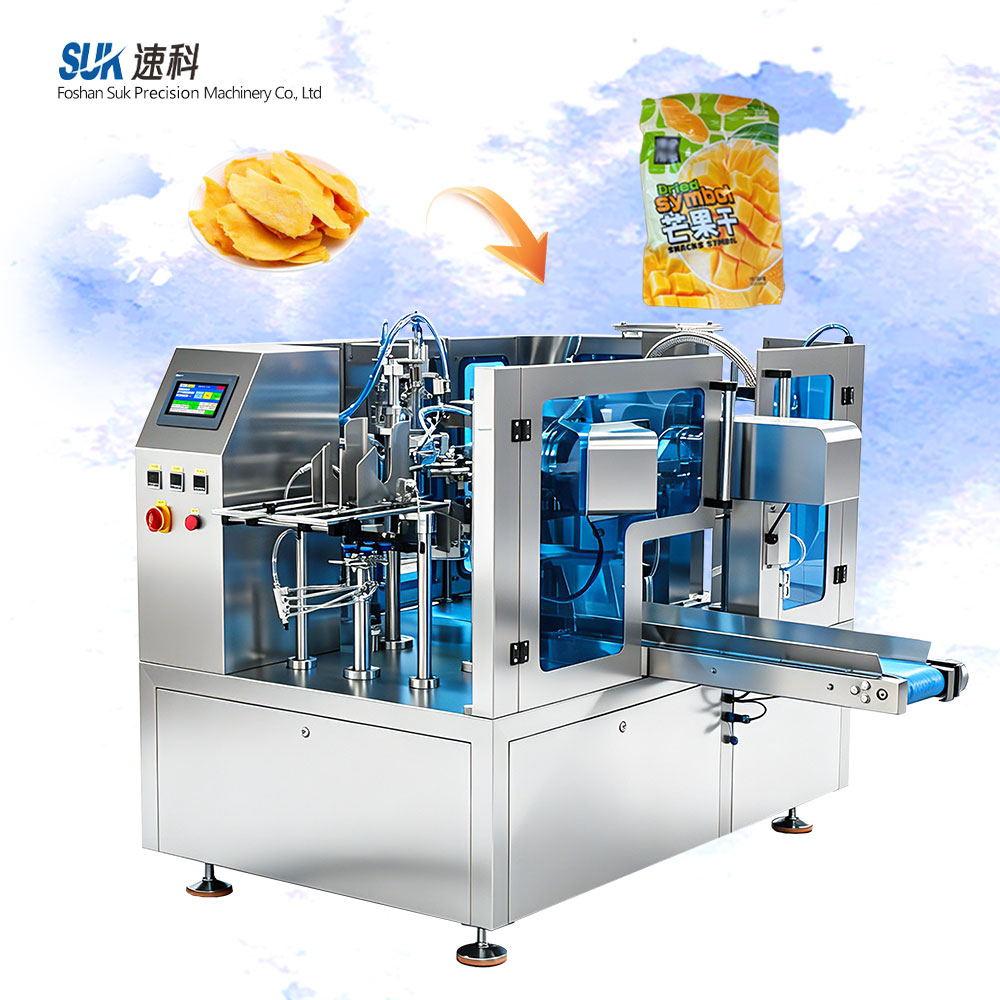
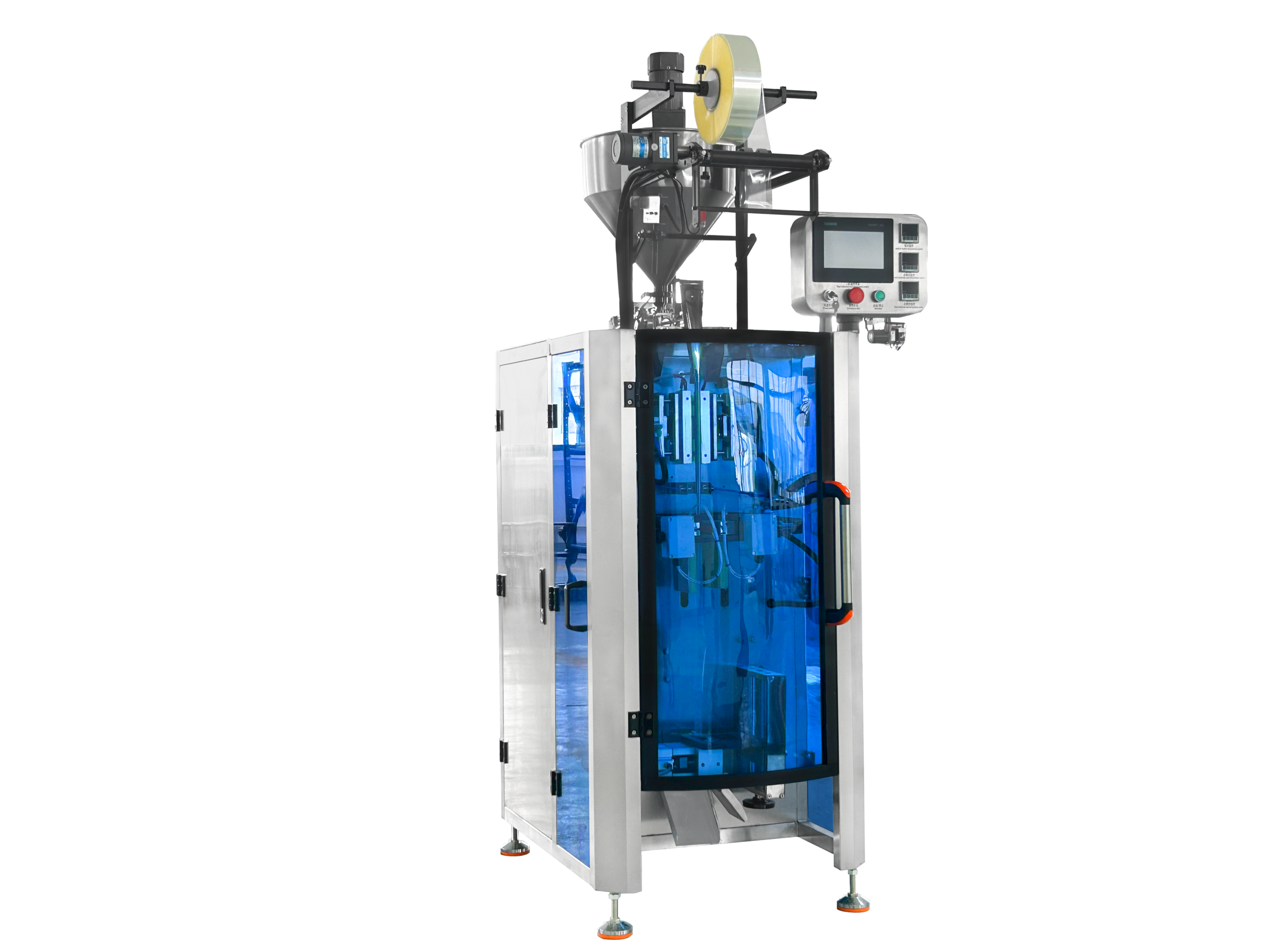
For a narrow single-use pack, assess the stick packing route with a suitable liquid filling system. For a wider sachet, ask the supplier to confirm the specific forming and sealing layout against your drawing. Do not approve a format based only on a photograph. Use the vertical packaging machine family as another evaluation starting point where the proposed roll-film format fits.
Consider multiple lanes only after one filling and sealing cycle is credible. Ask how each lane is supplied, adjusted and sampled. If lane performance differs, a combined average can conceal an unacceptable lane. Keep the selected route conditional until the actual gel and film have been tested together.
3. Test filling behavior through interruptions
Agree sufficient sample and film quantities for setup, sustained operation, planned stops and restart checks. Record product temperature and hopper level during each stage. Observe bubbles in the supply path, incomplete doses, nozzle drips and product tails. Repeat observations after a short pause and after the longest planned production interruption.
- Collect consecutive packs from every lane and identify their collection time.
- Measure individual net fills with an agreed tare method and suitable calibrated equipment.
- Compare startup, steady running, low supply level and restart results separately.
- Record adjustments and reject quantities rather than removing them from the trial record.
Set fill limits and sampling frequency in the purchase agreement. An average alone is insufficient: request individual results and the observed spread, together with the agreed handling of out-of-limit packs.
4. Challenge the seal and opening performance
Inspect seals for trapped shampoo, channels, wrinkles and uneven contact. Agree a leak or seal-strength test suitable for the selected laminate, including its method, sample count and pass criteria. Retain identified samples from the beginning, middle and end of the run. Where distribution conditions matter, include an agreed transport or compression assessment with the packaging supplier.
Check that the tear feature opens consistently and that normal handling does not open the sachet prematurely. Examine cut position and printed information on filled packs. Include a restart inspection, because a pack that looks acceptable during stable running may behave differently after a stop.
5. Witness cleaning, changeover and handover
Time a formula change using the proposed cleaning procedure. Witness draining, disassembly, cleaning access and reassembly. Ask your quality team to define the residue acceptance method. Check product contact component identification and compatibility documentation against the exact supplied configuration.
Measure accepted sachets per minute over an agreed period, logging stops, rejects and operator interventions. Witness downstream blocking and recovery if conveyors or cartoning are included. Finish with a signed record of settings, sample results, unresolved deviations and the repeat-test procedure. Review the shampoo gel sachet equipment scope and send SUK the completed trial brief before finalizing the purchase specification.