How to Buy a Single-Serve Pre-Workout Powder Line
How to buy a single-serve pre-workout powder line
A useful acceptance trial for pre-workout powder separates three questions: can the blend feed consistently, can the machine produce acceptable sealed packs, and can the factory control recipe changes? Answer each with an agreed test. Total fill weight is only one measurement, so the purchasing specification should also identify where the manufacturer's quality procedures must supply additional evidence.
Review the equipment for your serving size
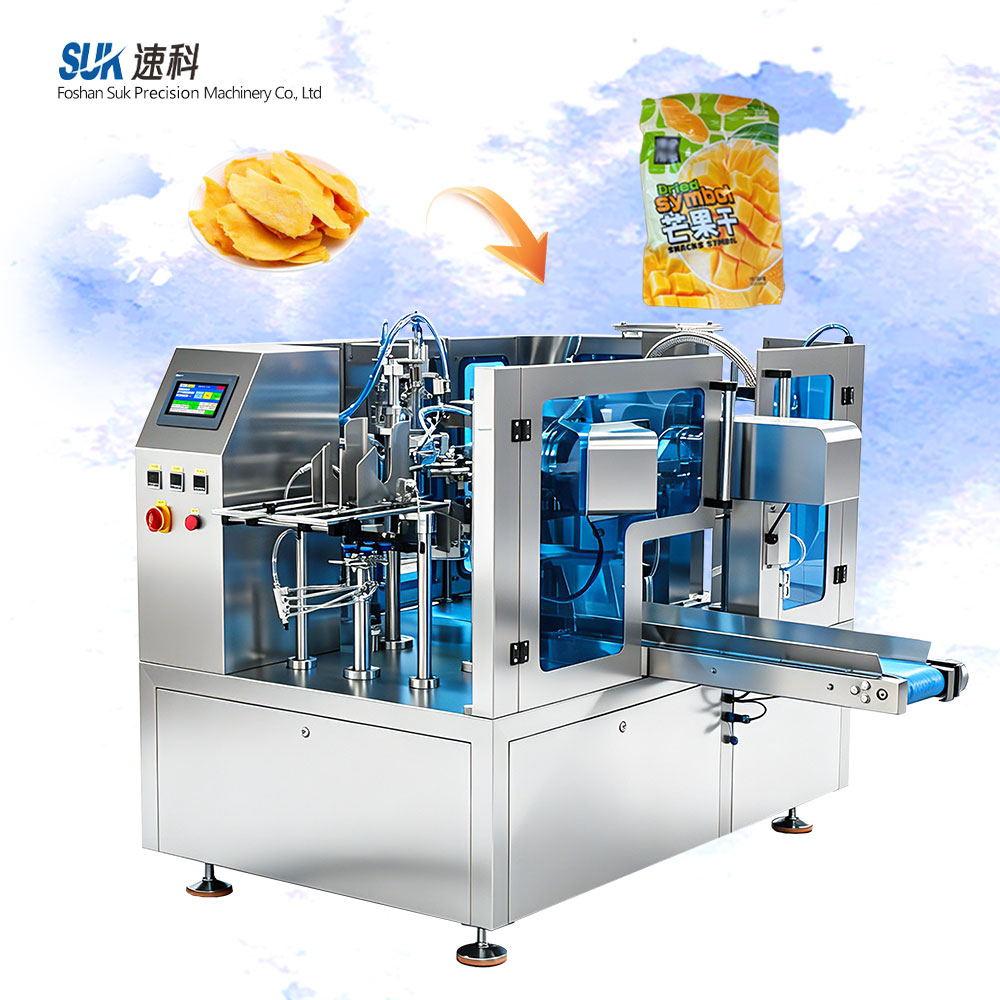
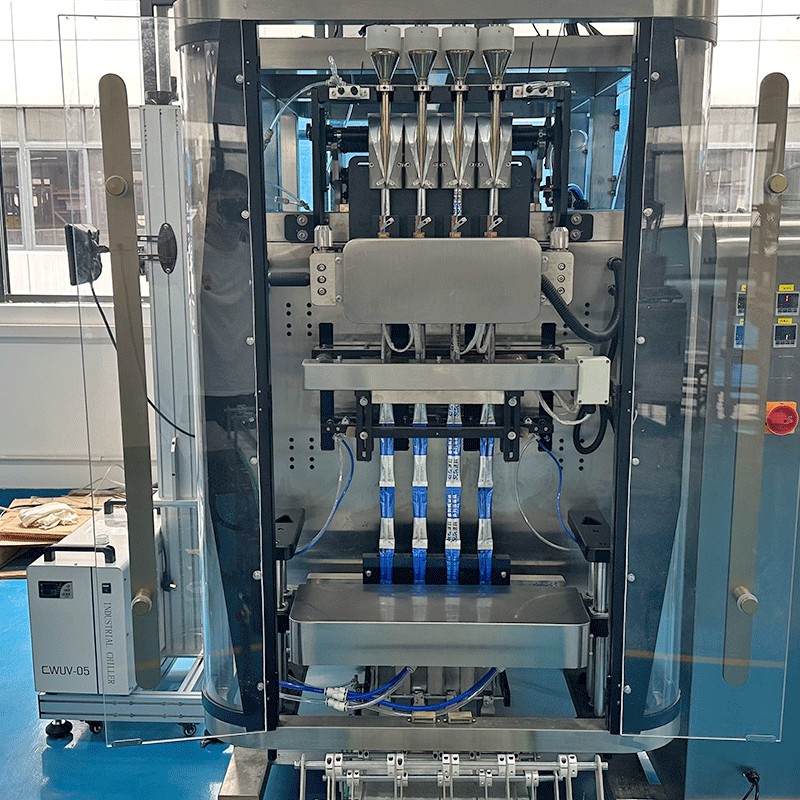
Use the pre-workout single-serve machine overview for the equipment scope, then compare stick-pack formats and multi-lane powder configurations. A narrow stick and a multi-lane layout can be combined; the actual serving must fit the usable pack volume.
For retail cartons, include the counting and arranged-infeed stage. Request a recipe-specific review with your formula range, target grams, bag size, packs/carton and cleaning/changeover requirements. Pack-weight acceptance does not establish ingredient uniformity.
1. Create a recipe and sample matrix
List all formulas expected on the line, their nominal portion weights and the planned batch sequence. Identify differences in bulk density, particle size, fines, color and flow behavior. Where applicable, flag caffeine-containing recipes, allergens and ingredients requiring special handling. Supply representative finished blends with clear identification and storage instructions.
Select trial recipes that challenge different parts of the process. One may be difficult to feed, another bulky for the proposed stick, and another difficult to remove during cleaning. Agree the sample quantity with the supplier so the trial includes setup, repeated replenishment, sustained running and a complete recipe change.
2. Decide whether the serving fits a stick
Make filled pack samples before freezing the machine layout. Confirm usable volume after allowing for the seals and opening feature. Test whether the powder empties through the proposed opening without excessive residue or spillage. Move to a wider sachet if the narrow format cannot meet the agreed usability and seal-clearance criteria.
Evaluate the stick packing route for the chosen narrow format. Assess a multi-lane powder configuration when parallel output is required. These choices overlap; neither establishes that a particular recipe or serving weight has already been validated.
3. Separate pack weight from blend uniformity
Agree individual net weight limits, sample counts, tare measurement and suitable calibrated weighing equipment. Collect consecutive packs from each lane at startup, during stable operation, after replenishment and near the end of the hopper charge. Keep lane and time identification on every sample group.
Review the distribution of individual results, including underfills and overfills, rather than only the average. Record hopper level, speed setting, interruptions and adjustments. If the blend contains ingredients whose distribution needs analytical verification, the buyer's quality team should define sampling locations, laboratory methods and acceptance criteria separately. Passing a pack-weight check does not establish ingredient content.
4. Challenge stops, seals and discharge
- Pause and restart at agreed intervals; inspect the first packs after each restart.
- Check for powder in seals, channels, wrinkles, misplaced cuts and unreadable codes.
- Apply the agreed seal-integrity test to identified samples across the run.
- Record accepted output over a timed period, including rejects and interventions.
Use the intended laminate and print layout. Ask the film supplier to participate in defining seal tests where necessary. Confirm that any shelf-life or distribution assessment is specified independently. Do not infer a storage-life result from a successful machine demonstration.
If cartoning is included, challenge the cartoning interface with downstream stops, accumulation and restart. Check the sachet count per carton and the handling of rejected or missing sachets. A high sachet discharge rate is of little value if the connected line cannot maintain the required pack count.
5. Witness a full recipe change
Run the agreed cleaning and changeover procedure using the supplied access points and removal tools. Include the hopper, metering parts, filling outlets and any dust collection components within the defined cleaning scope. Record disassembly and reassembly time, parts that retain powder and the first acceptable packs of the next recipe.
The buyer's quality team should set residue and carryover criteria, including analytical checks where appropriate. Ask for documentation identifying product contact components, cleaning instructions and recipe settings. Specify operator training and replacement parts required to repeat the demonstrated procedure at your factory.
6. Close the purchase with a repeatable acceptance record
Attach recipe identities, pack drawings, trial settings, individual weight data, seal results and changeover observations to the agreement. Assign each unresolved deviation an owner and a retest method. Review the pre-workout single-serve equipment scope against that record before accepting the final line configuration.