Powder Packing Machine: Food Factory Selection Guide
How to choose a powder packing machine
A powder packing machine combines a product feeding and dosing arrangement with the packaging format your factory needs. Start with the powder sample, target net weight, bag or pouch, required accuracy and accepted finished packs per minute. The same food powder may use a vertical VFFS machine, a premade pouch machine or a stick-pack configuration; the pack format and operating requirements determine the route.
Review stick pack machine configurations
Review vertical VFFS configurations
Compare powder packaging routes
| Factory pack requirement | Route to review | Key information to confirm |
|---|---|---|
| Roll-film bags | Vertical VFFS | Finished bag dimensions, film, powder feed and dosing |
| Ready-made stand-up or zipper pouches | Powder premade pouch | Pouch opening, dosing clearance, zipper and seal compatibility |
| Narrow portion packs | Stick pack | Pack width/length, fill, film and cut |
| Parallel production with several lanes | Multi-lane powder | Lane count, per-lane versus total output and carton count |
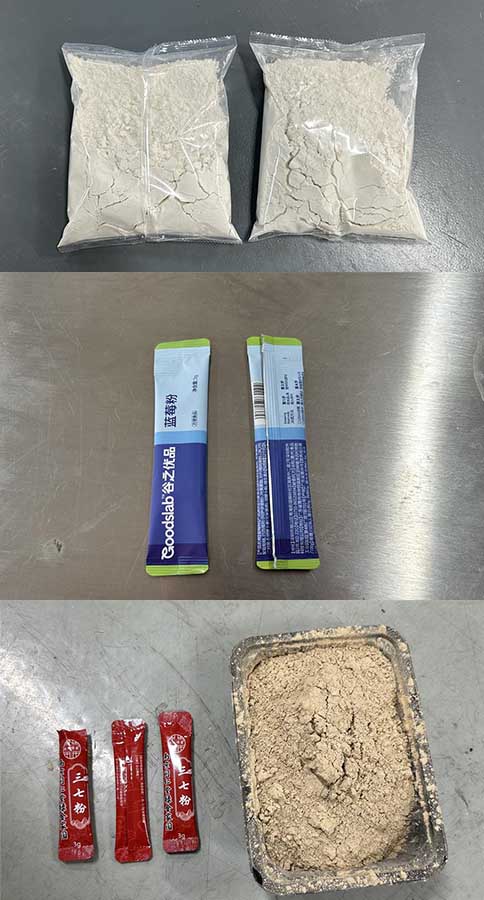
Match the machine route to the finished pack
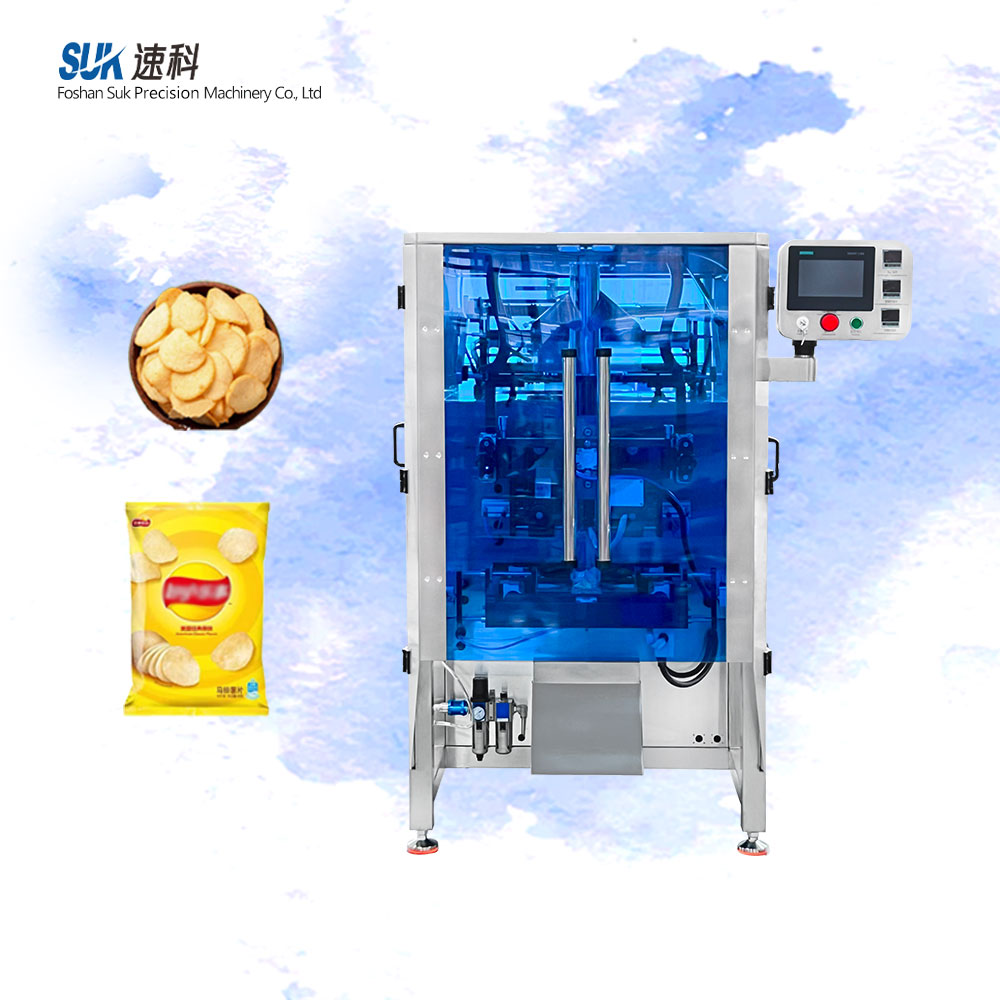
1. Vertical powder packaging with roll film
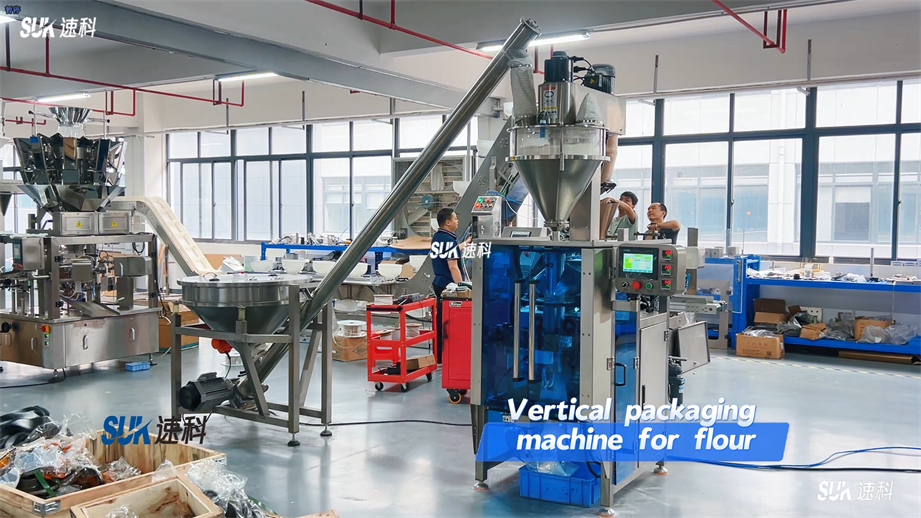
A vertical form-fill-seal (VFFS) machine makes bags from roll film and receives a dose from a matched powder filling system. Review the powder flow, bulk density, bridging, dust, bag dimensions and seal clearance before choosing an auger and upstream feeder. Output and accuracy are confirmed for the specific powder, bag and configuration—not for every powder at one universal speed.
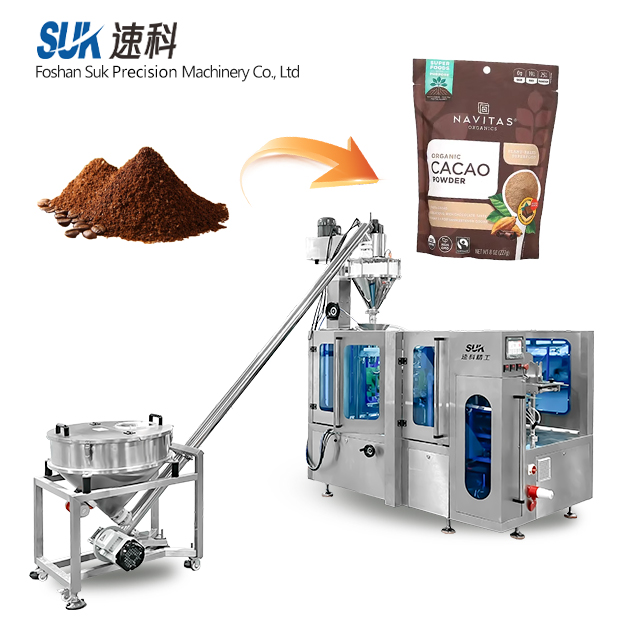
2. Powder filling in premade pouches
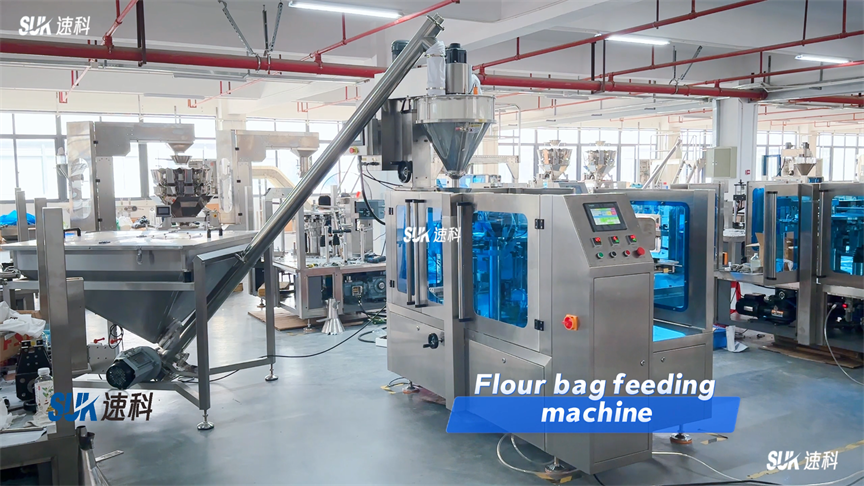
A premade pouch configuration opens, fills and seals bags supplied ready-made. It is a route to review for compatible stand-up or zipper pouches, including retail ground coffee and other food powders. Match the dosing head, feeding arrangement and bag opening to actual samples. A pouch illustration does not establish that every gusset, valve, zipper or film structure is compatible.
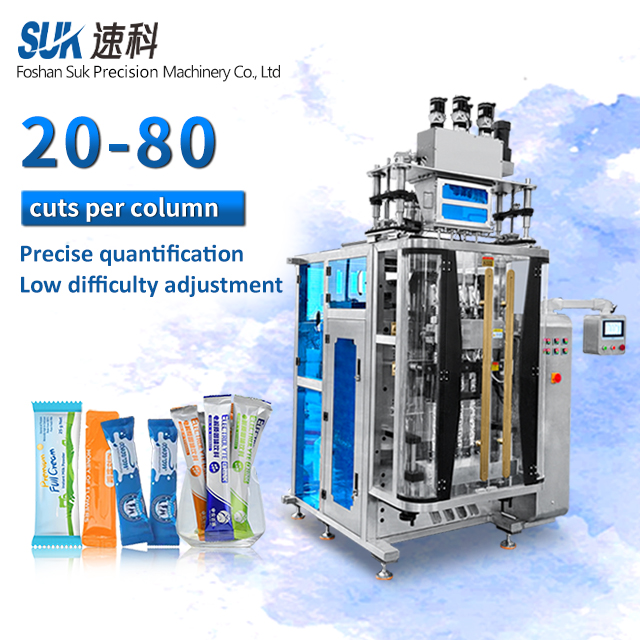
3. Stick packs and multi-lane configurations
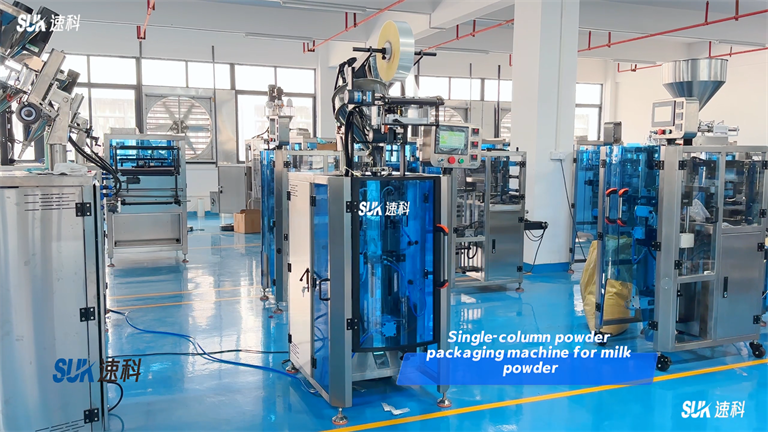
A stick pack is a narrow portion-pack format. A multi-lane configuration can produce several packs in parallel; stick format and multi-lane configuration are not mutually exclusive. For coffee premix, seasoning or another powder, confirm the screw, pack dimensions, lane count, cut and film. Dust extraction or other accessories must be specified for the proposed configuration.
Five inputs for a useful powder packaging review
Powder behaviour: provide bulk density and flow information, including dust, adhesion, bridging, moisture sensitivity and any ingredient segregation. Review aids such as agitation or extraction only after assessing the sample; they are not automatic requirements for every coffee or seasoning powder.
Production target: specify accepted finished packs/minute for the entire machine, minimum and maximum fill, operating hours and changeovers. For multi-lane equipment, establish whether a quoted speed is per lane or total before planning output.
Accuracy: state the acceptable mass tolerance and how it should be measured. The proposed dosing system needs a product-specific test at the intended weight and speed; this guide does not promise a universal gram or percentage error.
Factory requirements: specify product-contact materials, cleaning and allergen changeovers, environmental conditions and destination utilities. Compliance or certification claims require evidence for the actual configuration; do not infer them from a brochure image or material name.
Line functions: identify coding, checkweighing, metal detection, dust handling, gas flushing, grouping and cartoning requirements. Confirm which functions are included in the proposed supply and how their rates and transfer arrangements match.
Powder packaging machine (Q&A)
How should a factory validate small-dose powder accuracy?
Provide the actual powder and film, target net weight, tolerance and required output. Agree a sampling method and test conditions, including start-up, sustained running and refilling behaviour. Review the results before accepting a configuration; no unsupported large-batch test result is claimed here.
Can one machine handle several bag types?
Some formats may share a machine platform, but forming parts, bag handling, dosing and sealing can differ. Supply every intended bag sample and SKU. A VFFS machine forms roll-film bags, while a premade pouch machine fills purchased bags; neither should be assumed to cover all formats.
How should powder spillage and sealing contamination be reviewed?
Check powder flow and settling, the dosing outlet, bag-mouth clearance and product near the seal using the actual sample. Discuss extraction, guarding or other measures where appropriate. Confirm cleaning and seal-test requirements rather than assuming one accessory resolves every powder.
Summary and action guidelines
Choose the primary pack first, then match dosing and feeding to the powder and verify the output required by the factory. VFFS, premade pouch and stick-pack routes address different pack-supply and presentation needs. For small packs requiring higher total output, assess a suitable multi-lane configuration; do not select a model from a general machine-family weight range.
Request a Food Powder Packaging Configuration
For a project review, send the powder sample, target net weights and tolerance, bag drawing or samples, film specification, required total packs/minute, changeover pattern and factory utilities. If boxing is required, add packs/carton, carton drawings and target cartons/minute. Send your powder packaging requirements to SUK.
- ? Email: [email protected]
- ? WhatsApp: +86 136 9058 8270
Review powder premade pouch configurations, vertical VFFS packaging and DLA-400F multi-lane powder reference data. For a complete project, see the stick pack counting and cartoning line.